Bridles for your horse – Buy online now
In equestrian sports, communication between horseand rideris crucial. Numerous aids allow you to give signals to your horsewhile riding and communicate with it. One way to do this is with a bridle.
What is a bridle?
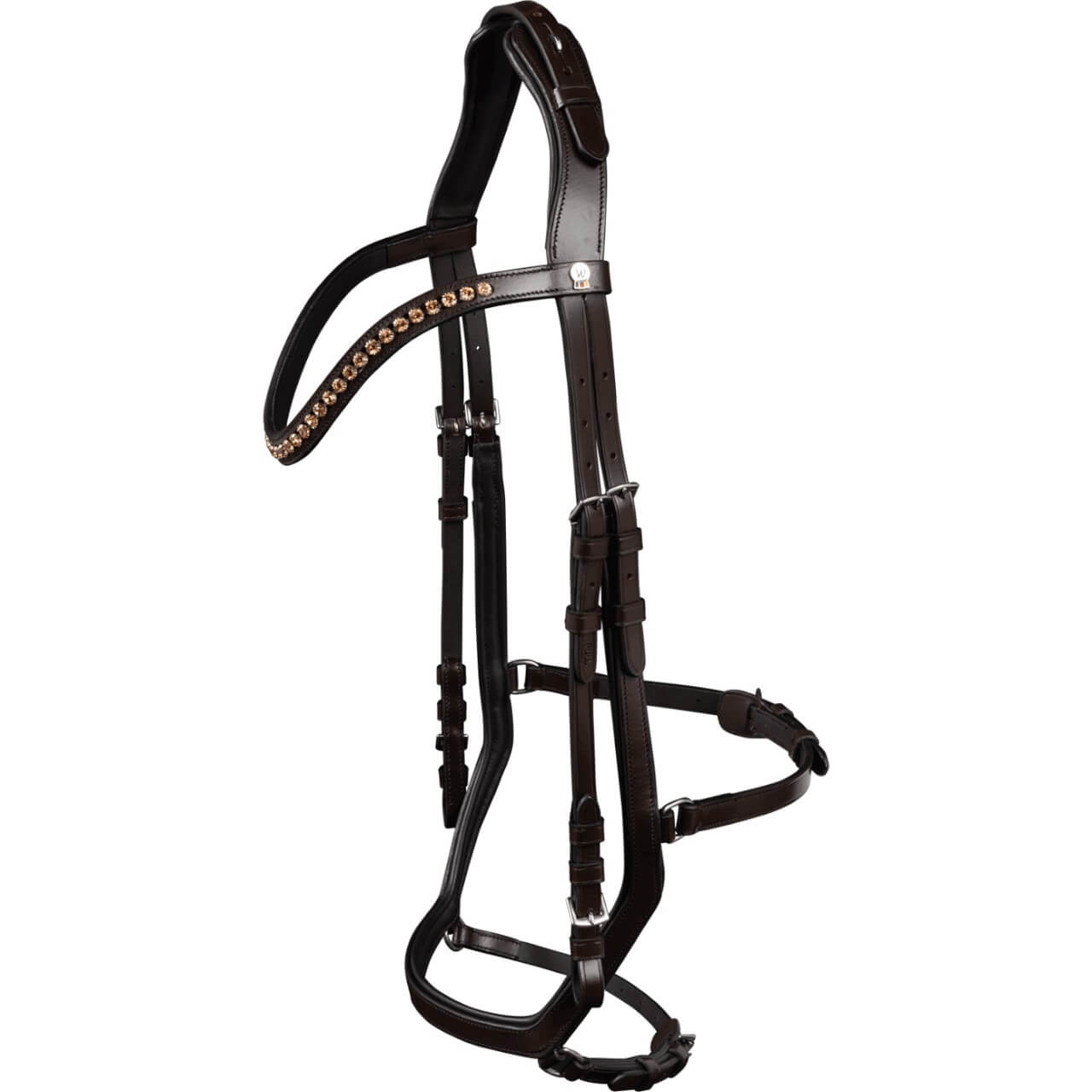
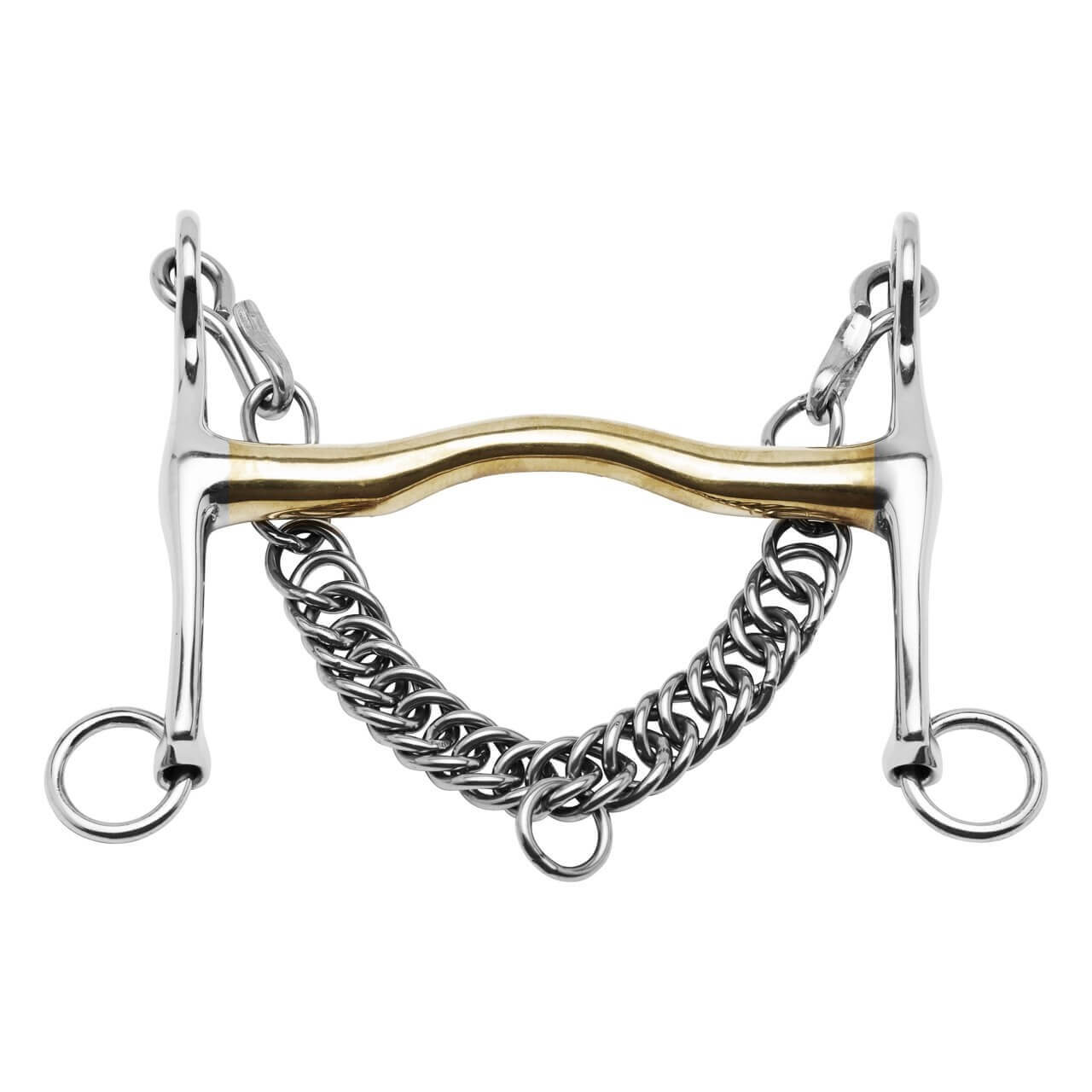
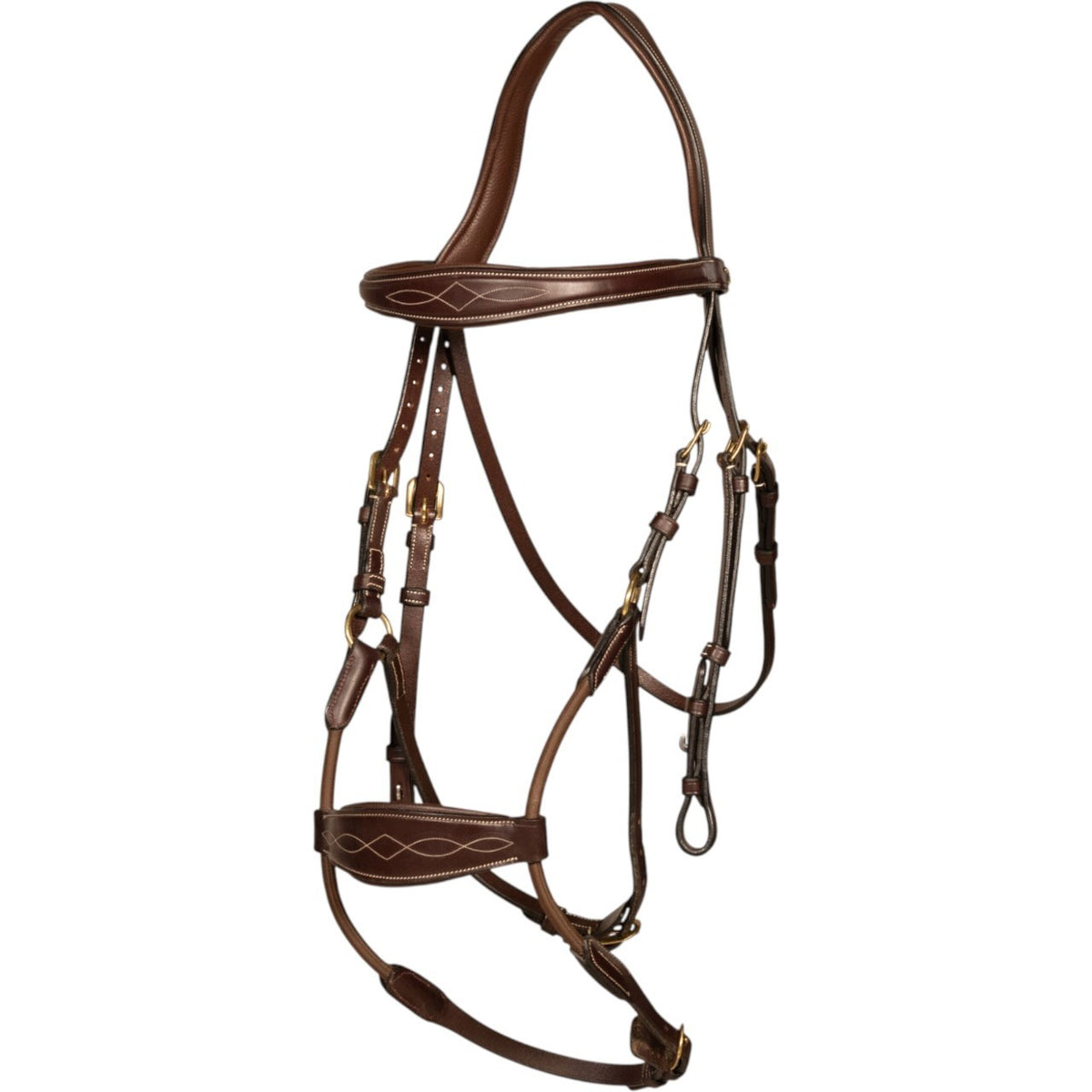
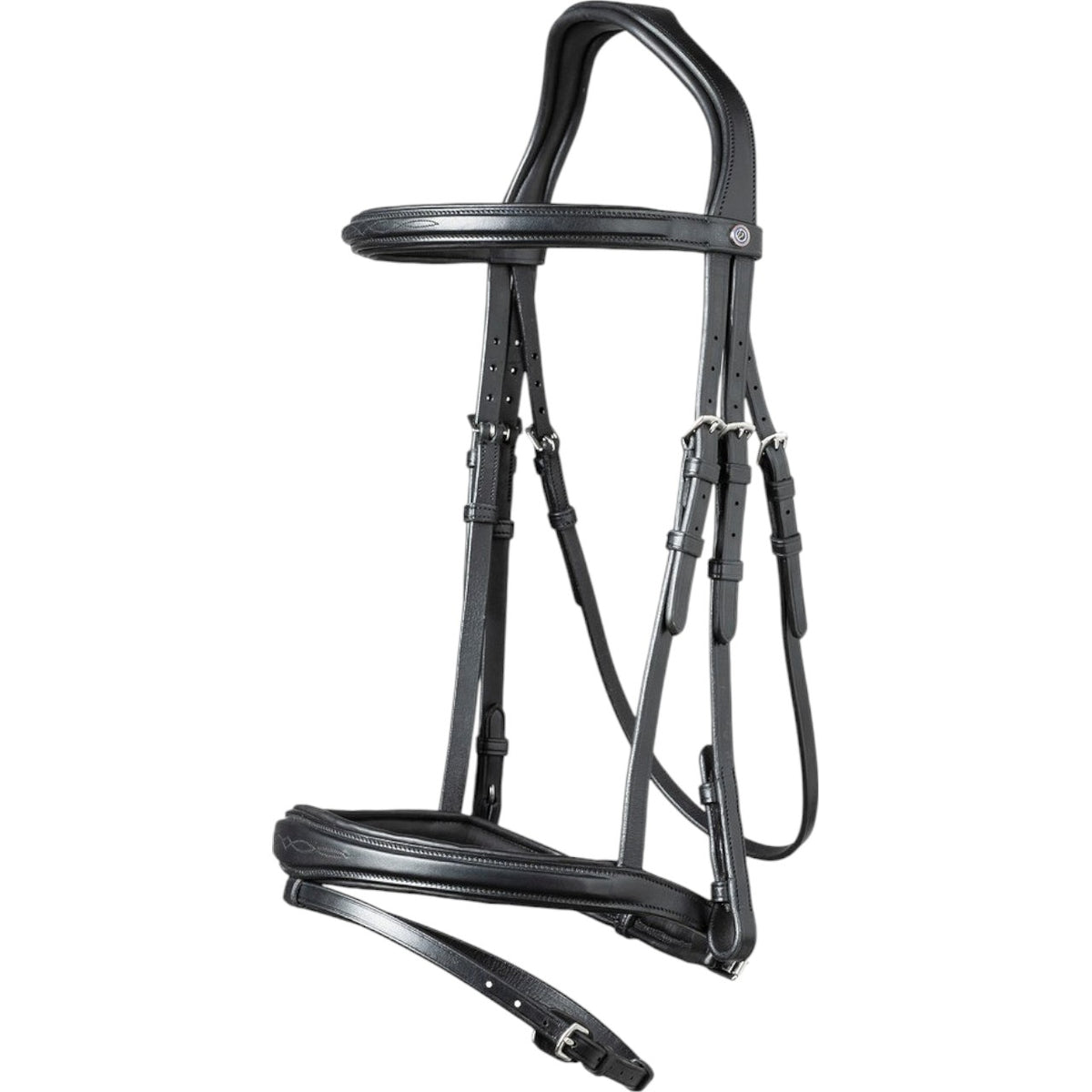
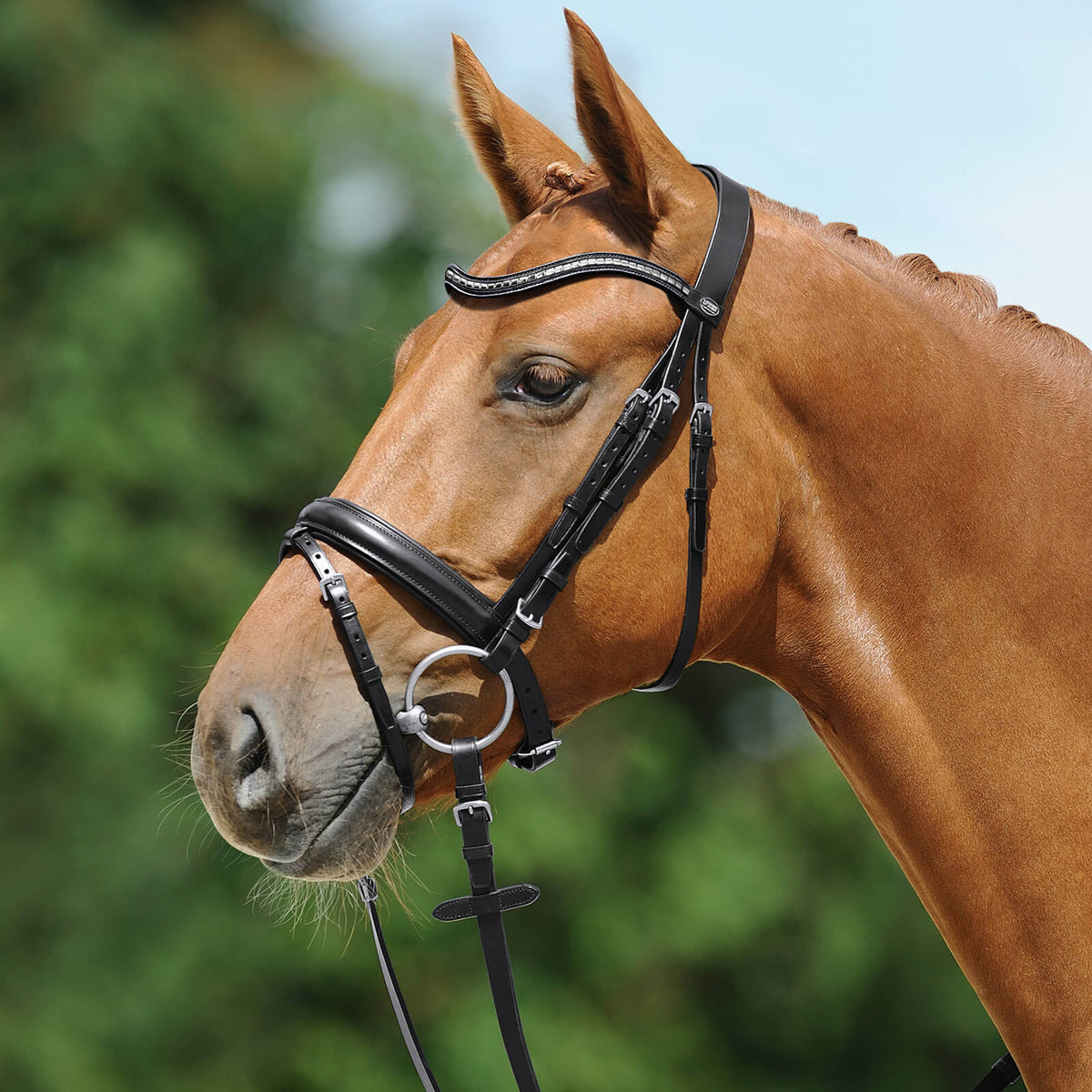
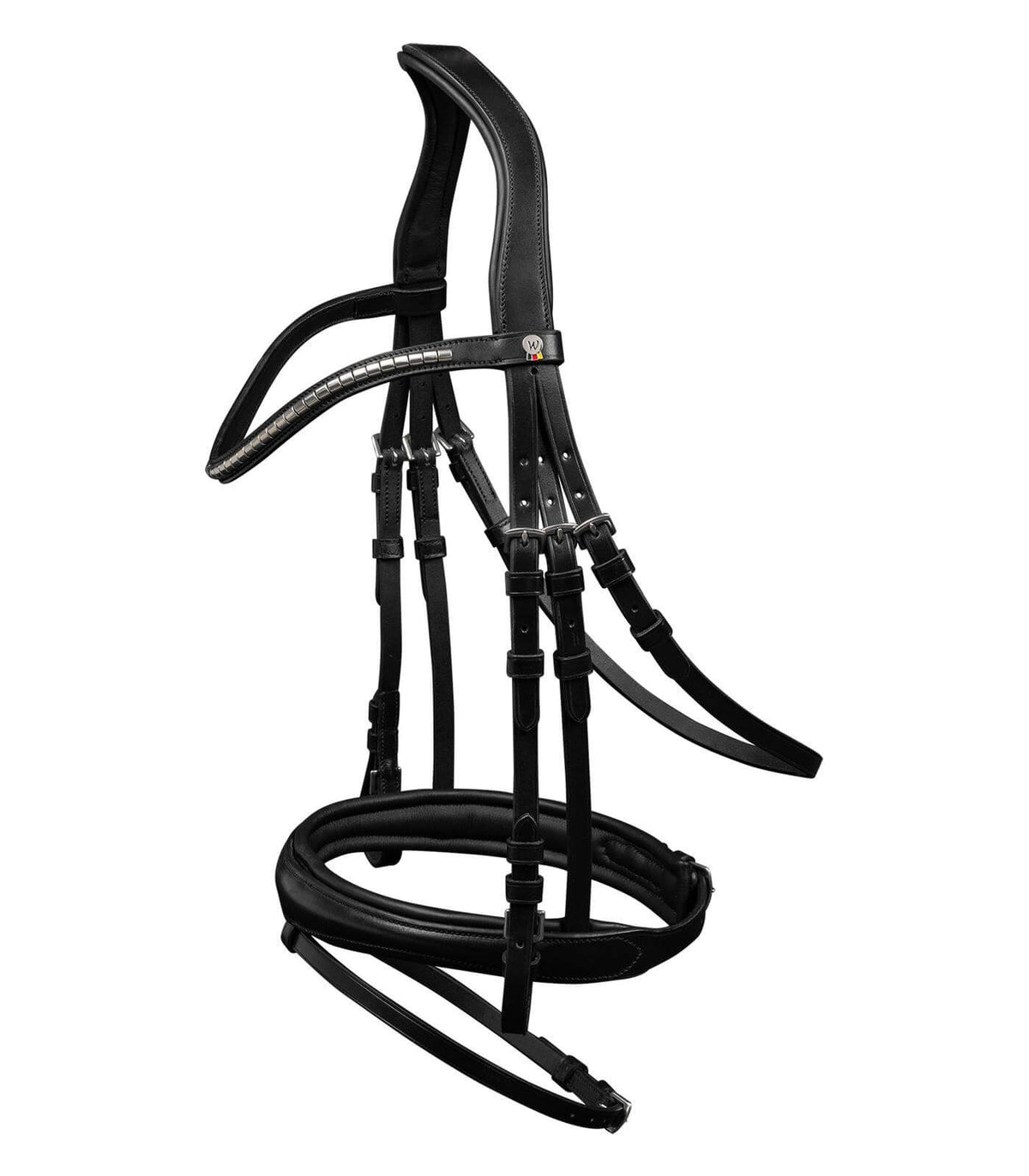
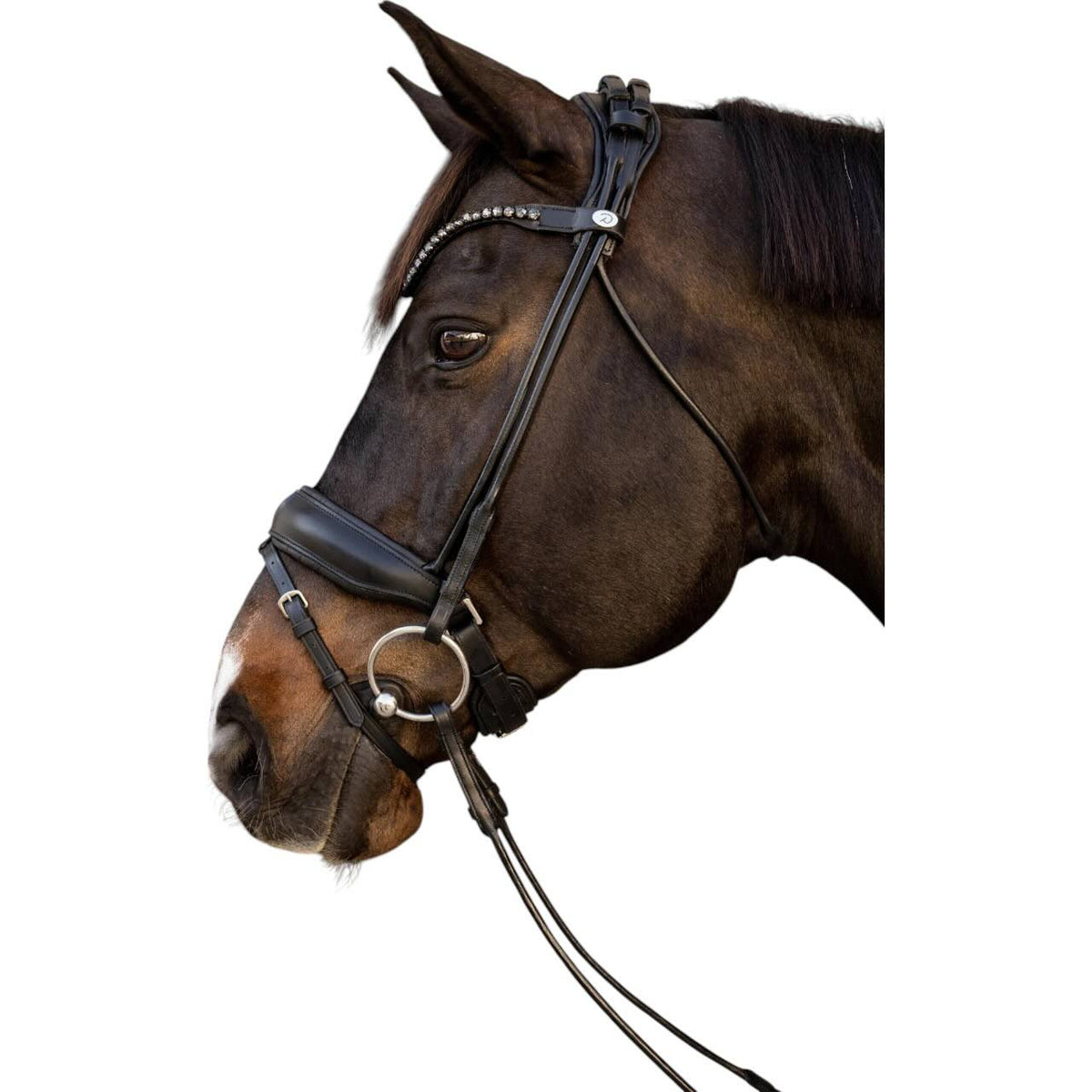
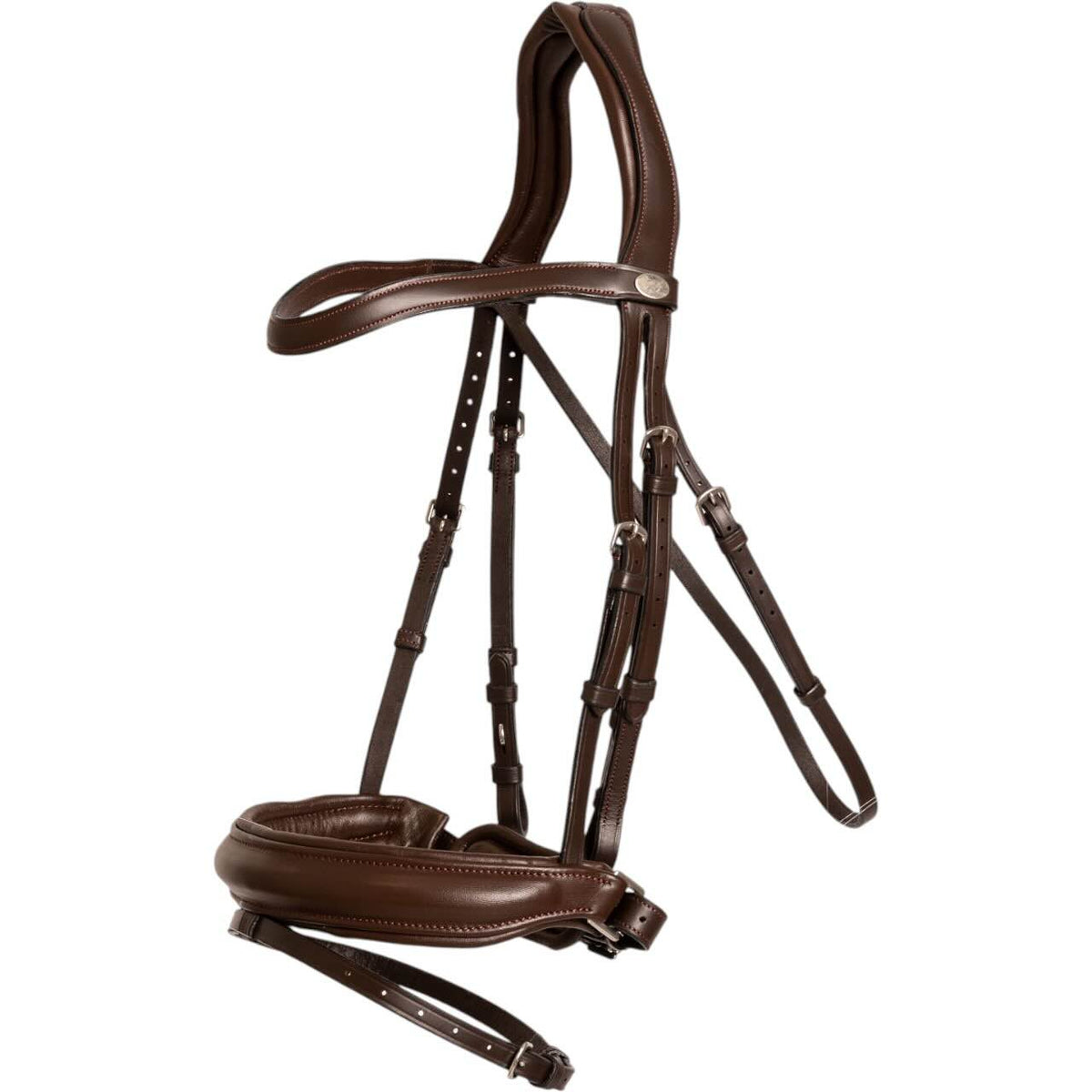
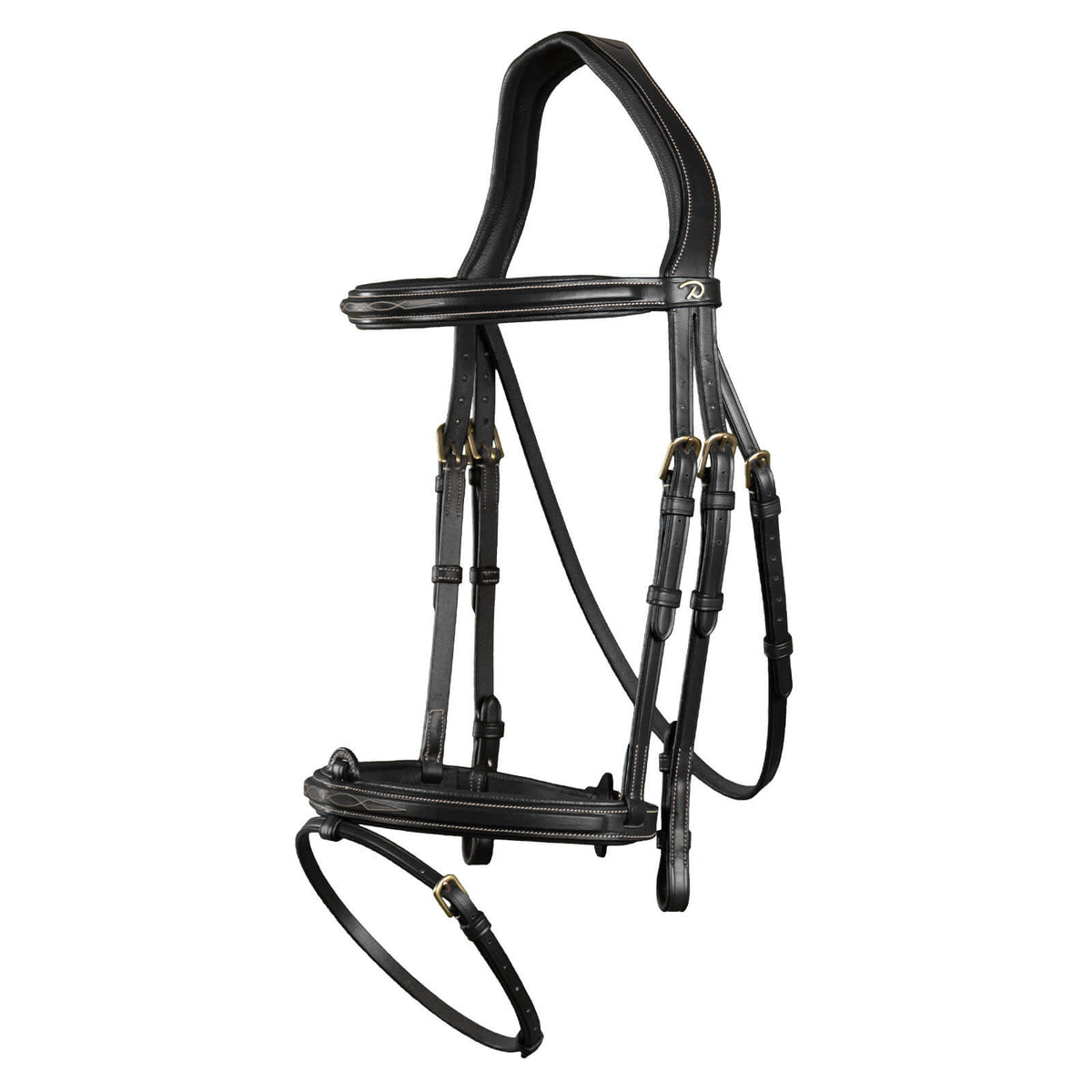
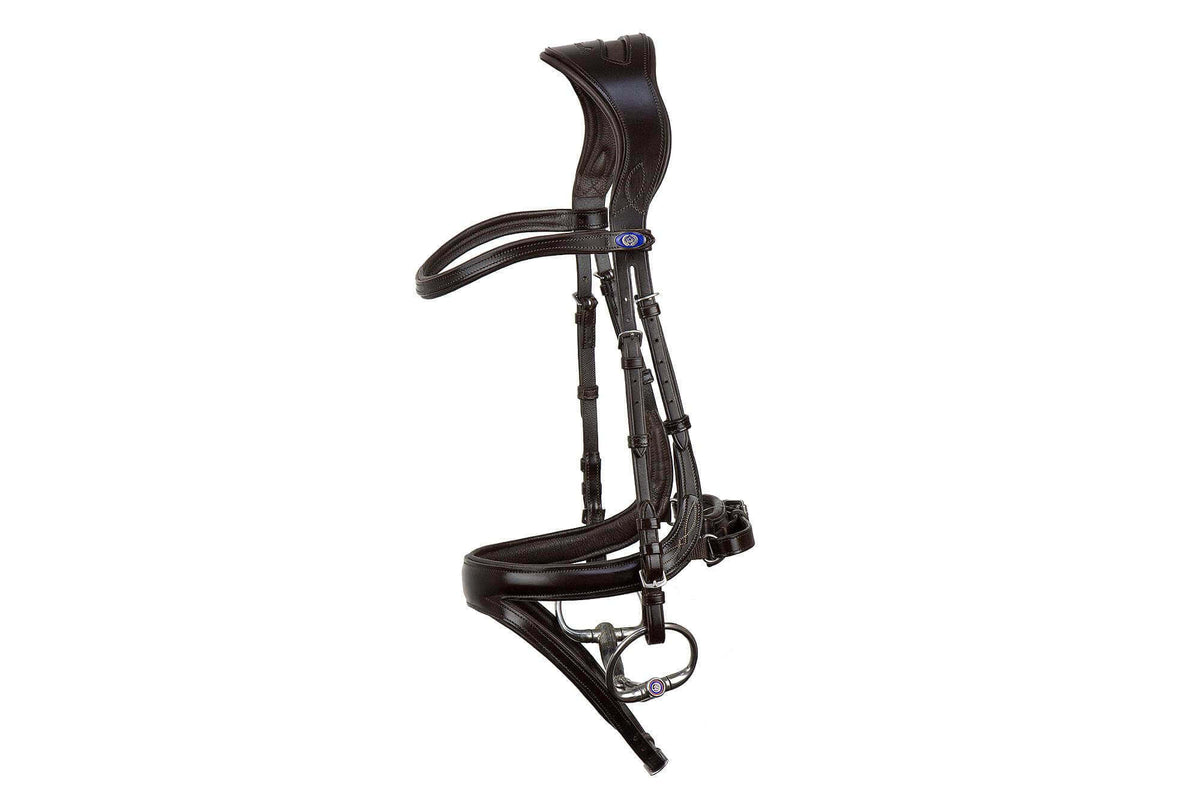
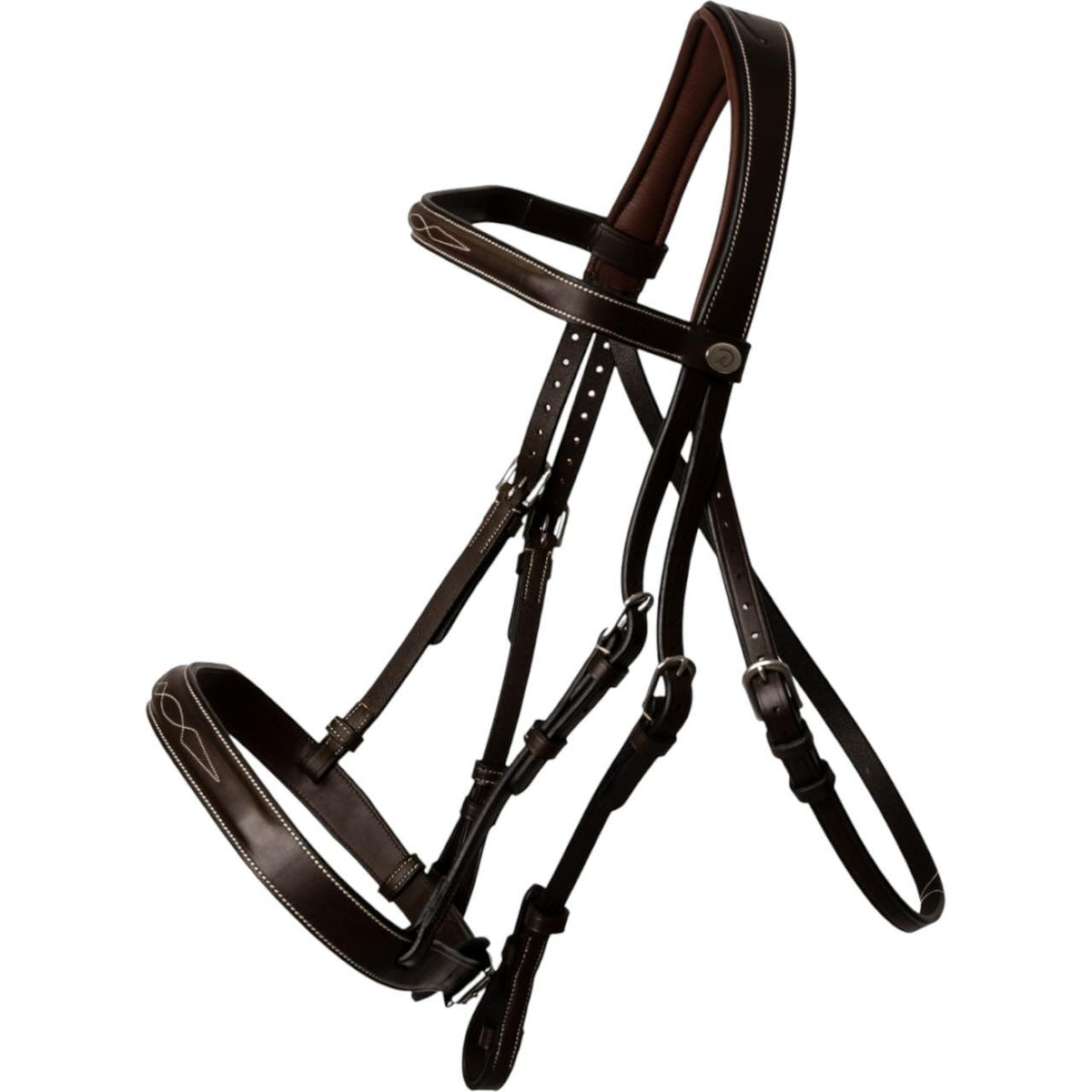
The bridle is only one part of the headgear, namely the mouthpiece. It consists of a bit, which is made of two movable metal rods. These are connected by a flexible joint. On each side there is a ring into which the reinscan be buckled. By skillfully guiding the reins, you can give your horsevery subtle signals via the bridle. A bridle can only be used with the associated headgear; it is then also referred to as a bridle headgear. However, colloquially, the entire bridle headgearis often referred to as a bridle. The bridleconsists of the following elements:
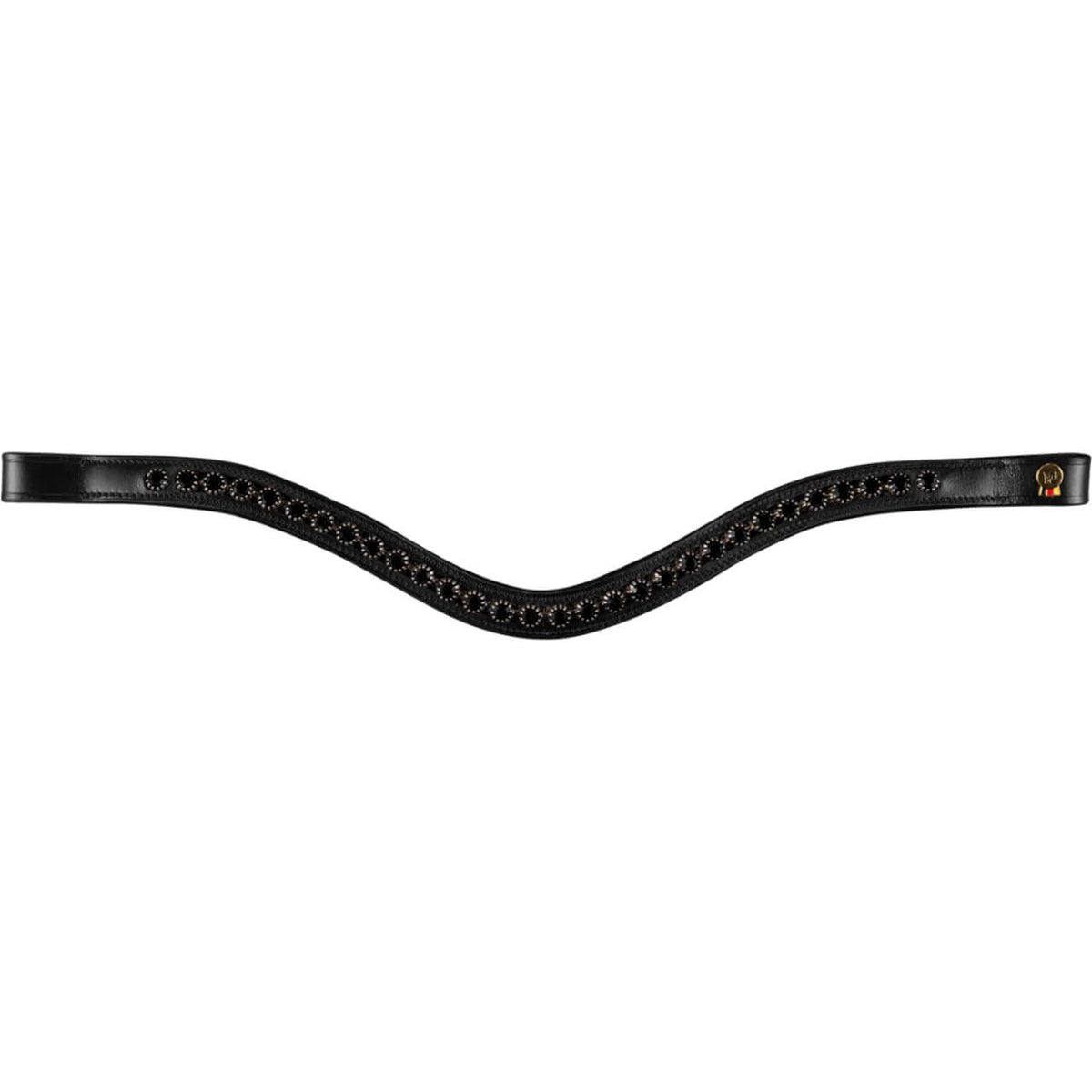
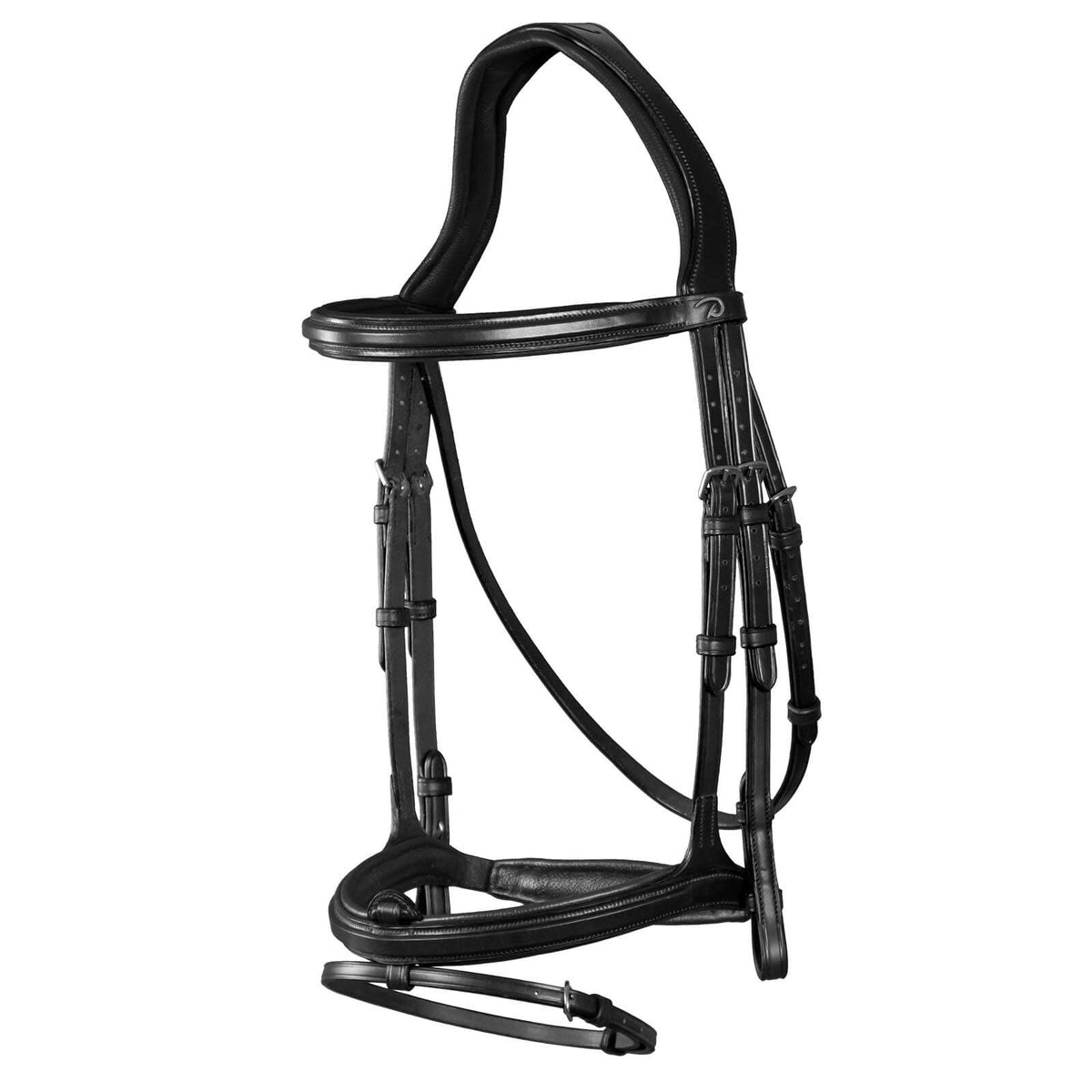
- Bridle headgear (headpiece, throat latch, browband, 2 cheek pieces)
- Bit
- Reins
What types of bridles are there?
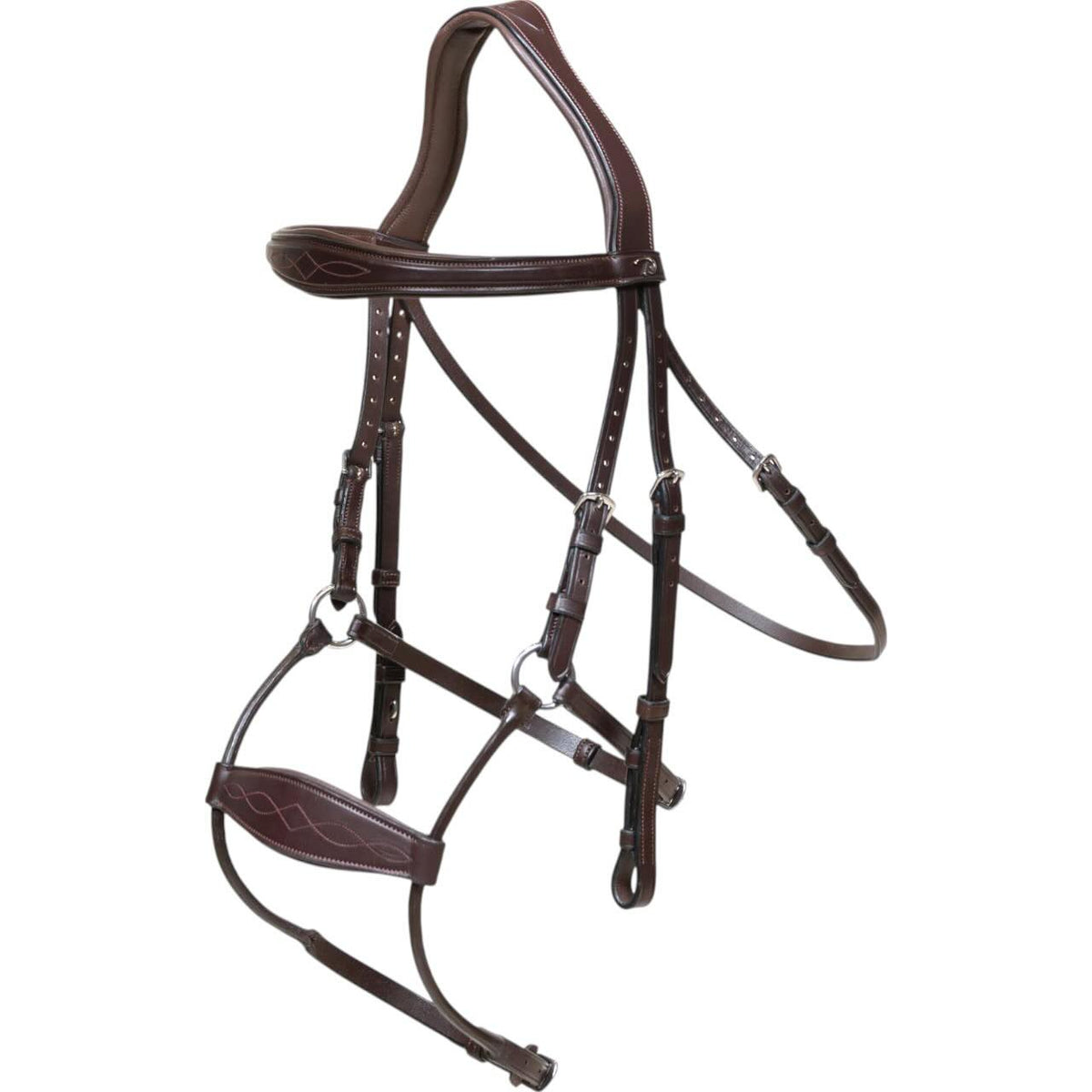
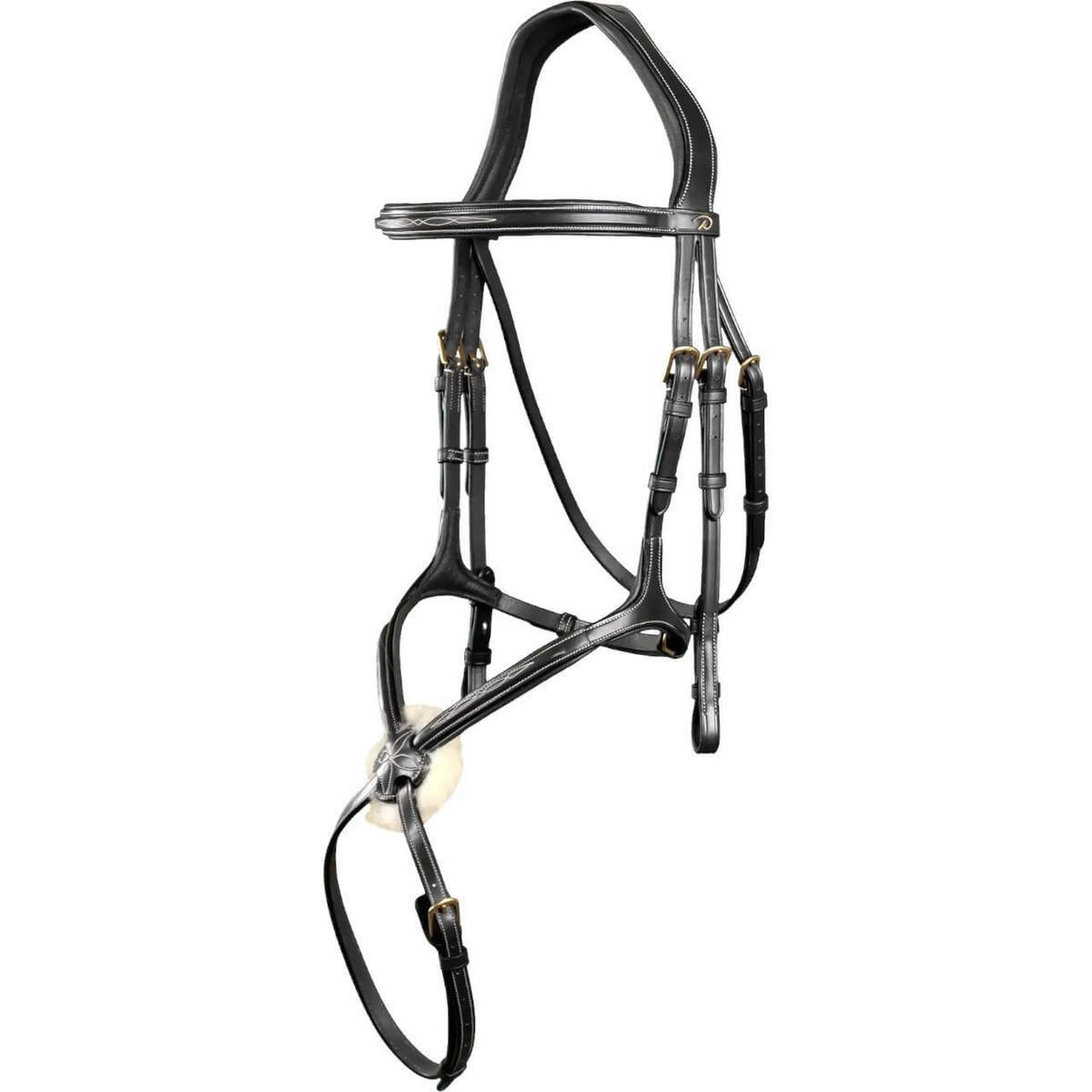
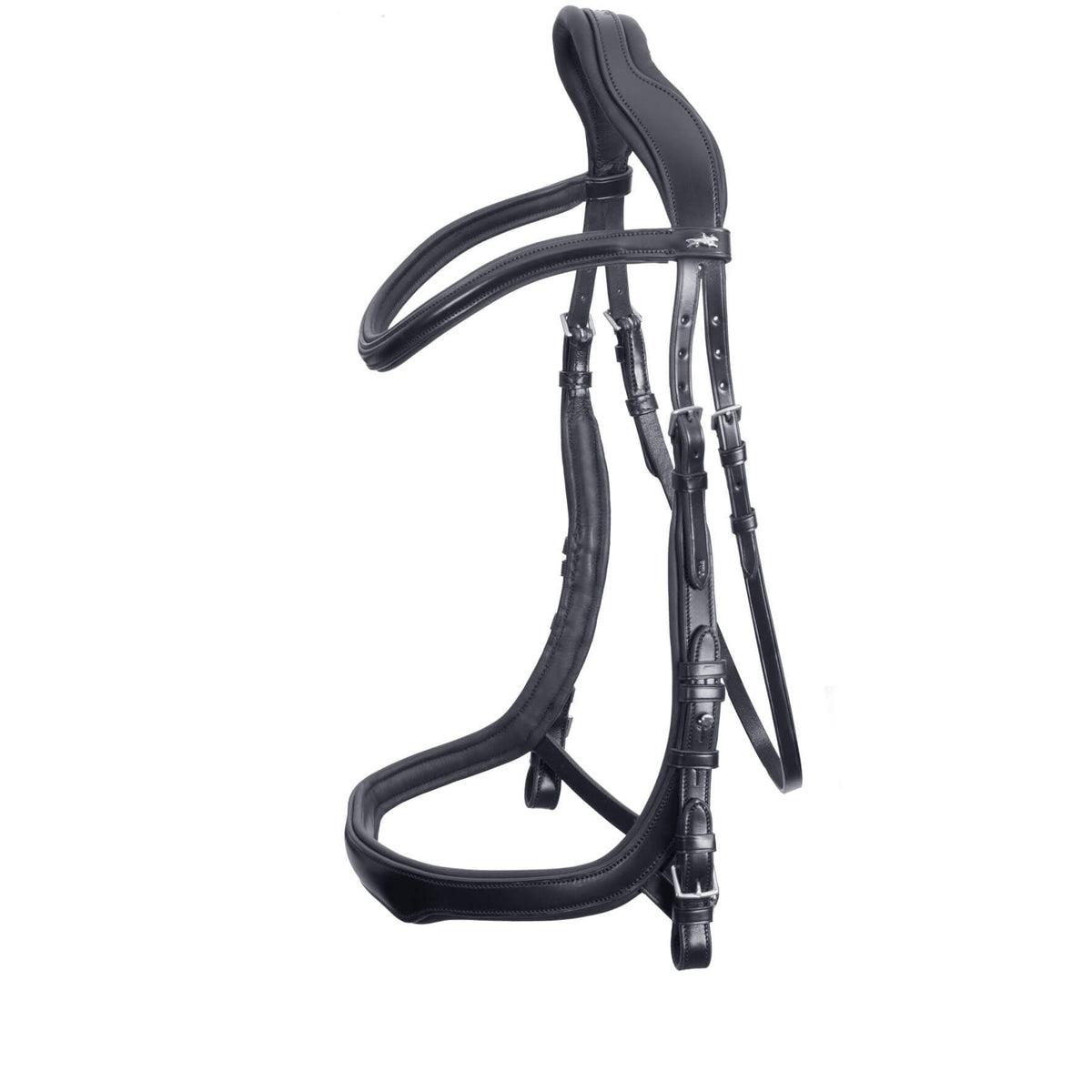
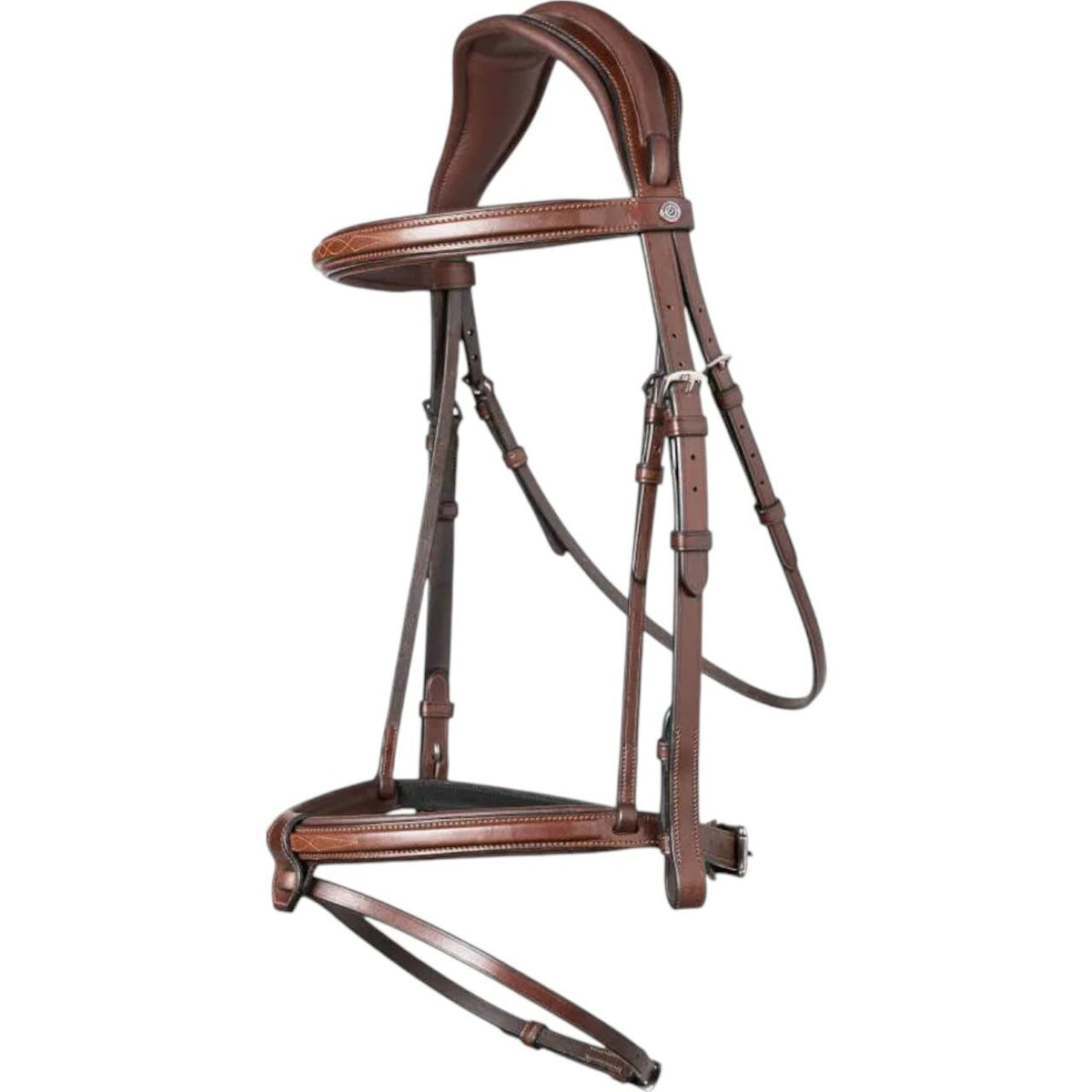
Over time, various bridleshave developed. The most commonly used ones can be found in the following overview.
- Hanoverian bridle or Hanoverian nosebandWith this bridle, the noseband runs below the bit. This headgearprevents your horsefrom opening its mouth wide or shifting its lower jaw sideways. It is particularly important to ensure that the bridleis correctly fastened to avoid injuries to the bridge of the nose. We offer a Hanoverian bridle in our shop from our manufacturer SD Design. The handmade bridleis adorned with lovely glitter details.
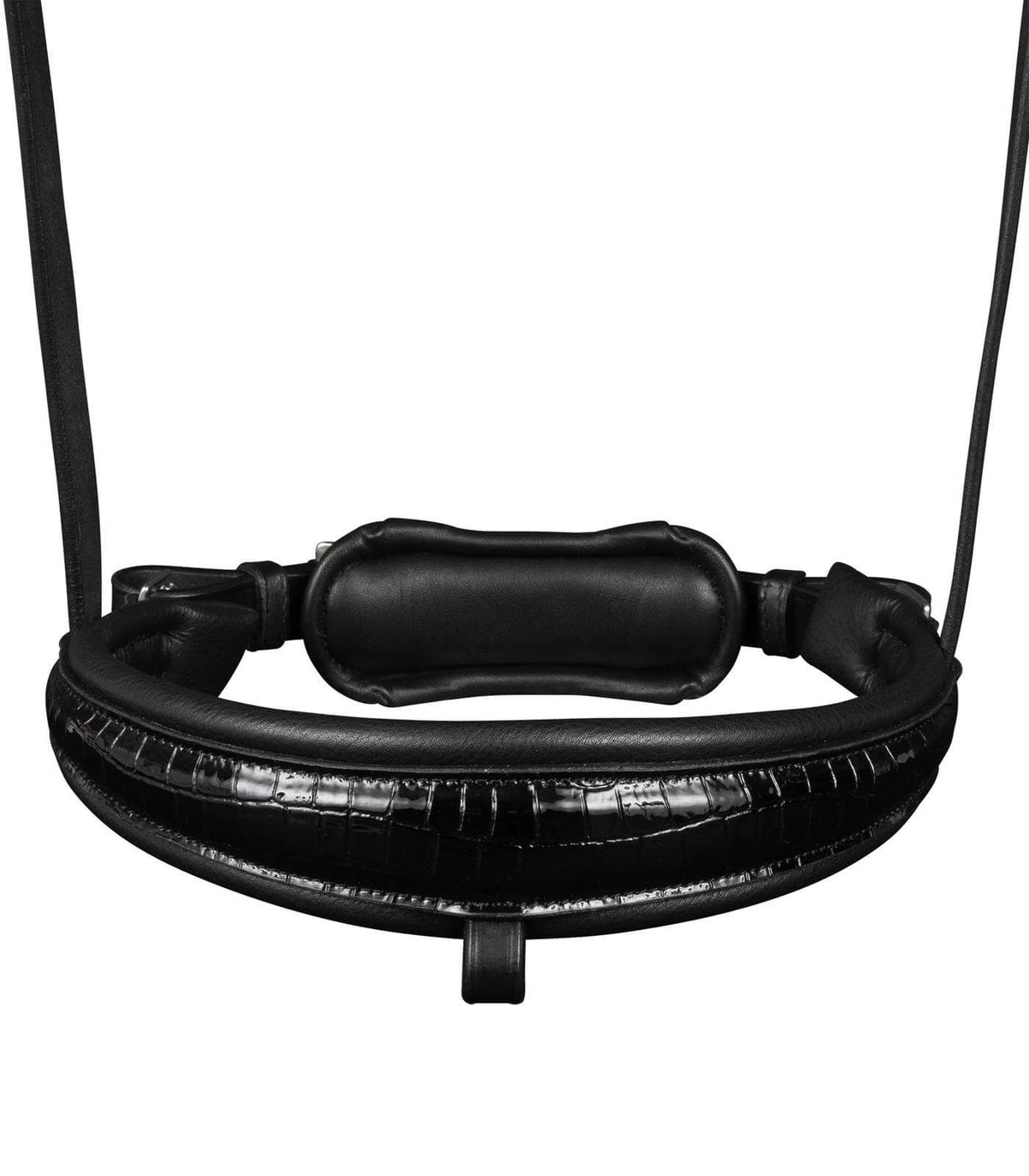
- English nosebandUnlike the Hanoverian bridle, the English noseband has a noseband that runs above the bit. The special feature of the noseband is that it is comparatively well padded. When fitting this bridle, you must ensure that the noseband is fastened under the headpiece of the bridle. This bridleallows the horseto chew actively, yet it cannot open its mouth very wide. The English noseband is suitable for almost all horsesand is also the only bridlethat may be used in combination with a double bridle.
- English combined nosebandThis is the most commonly used bridle in Germany. This bridle is constructed like an English noseband, with the difference that the noseband has a loop directly on the nasal bone. A thin flash strap runs through this loop, which is guided and buckled below the bit. This creates parallels to the Hanoverian noseband. The horse is prevented from opening its mouth and the pressure is shifted. You can find English combined bridles in our shop from PS of Sweden, Waldhausen, Stübben, Schockemöhle Sports and SD Design, among others. The headpiece of these bridles is often anatomically shaped, and a special cut significantly reduces the pressure on your horse's sensitive poll.
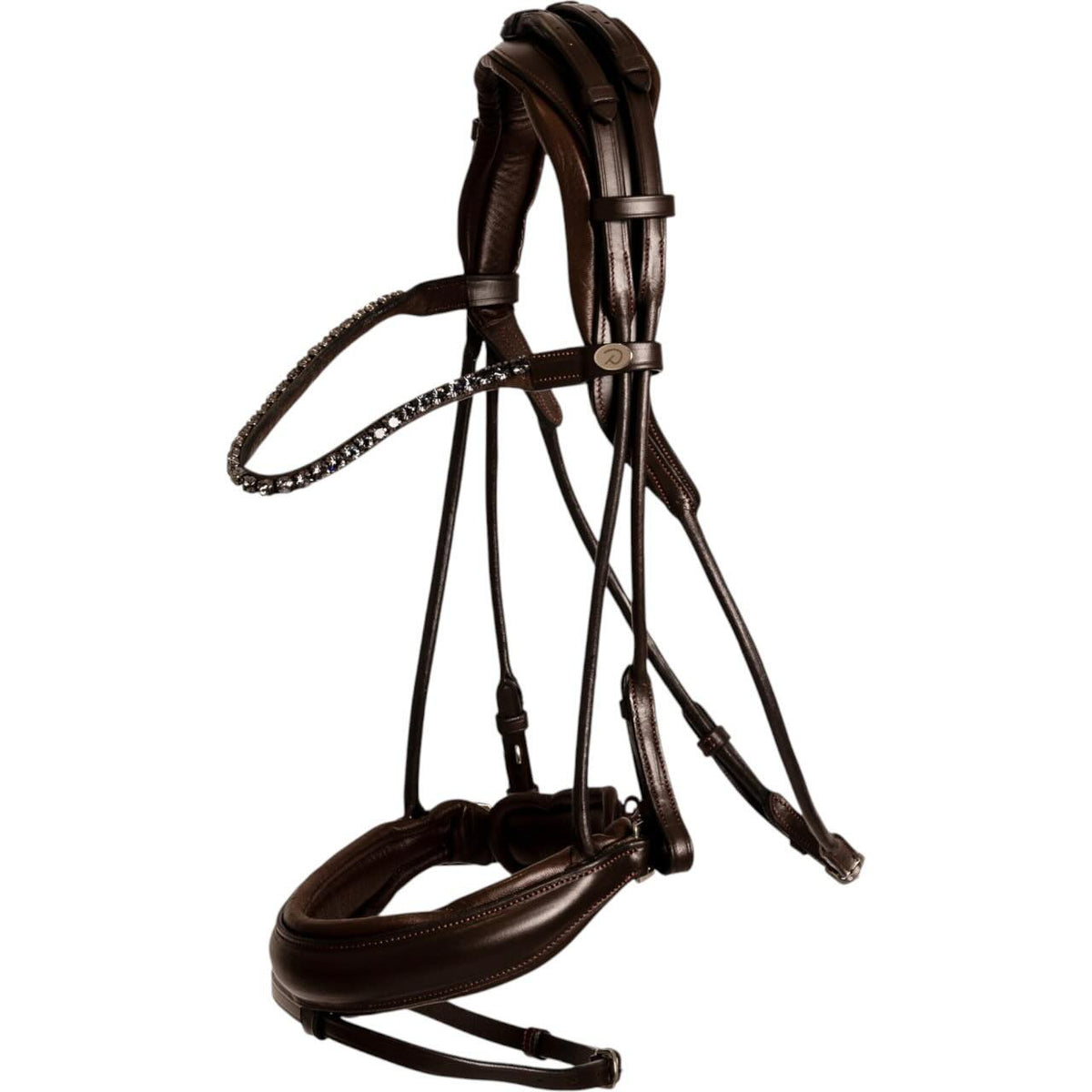
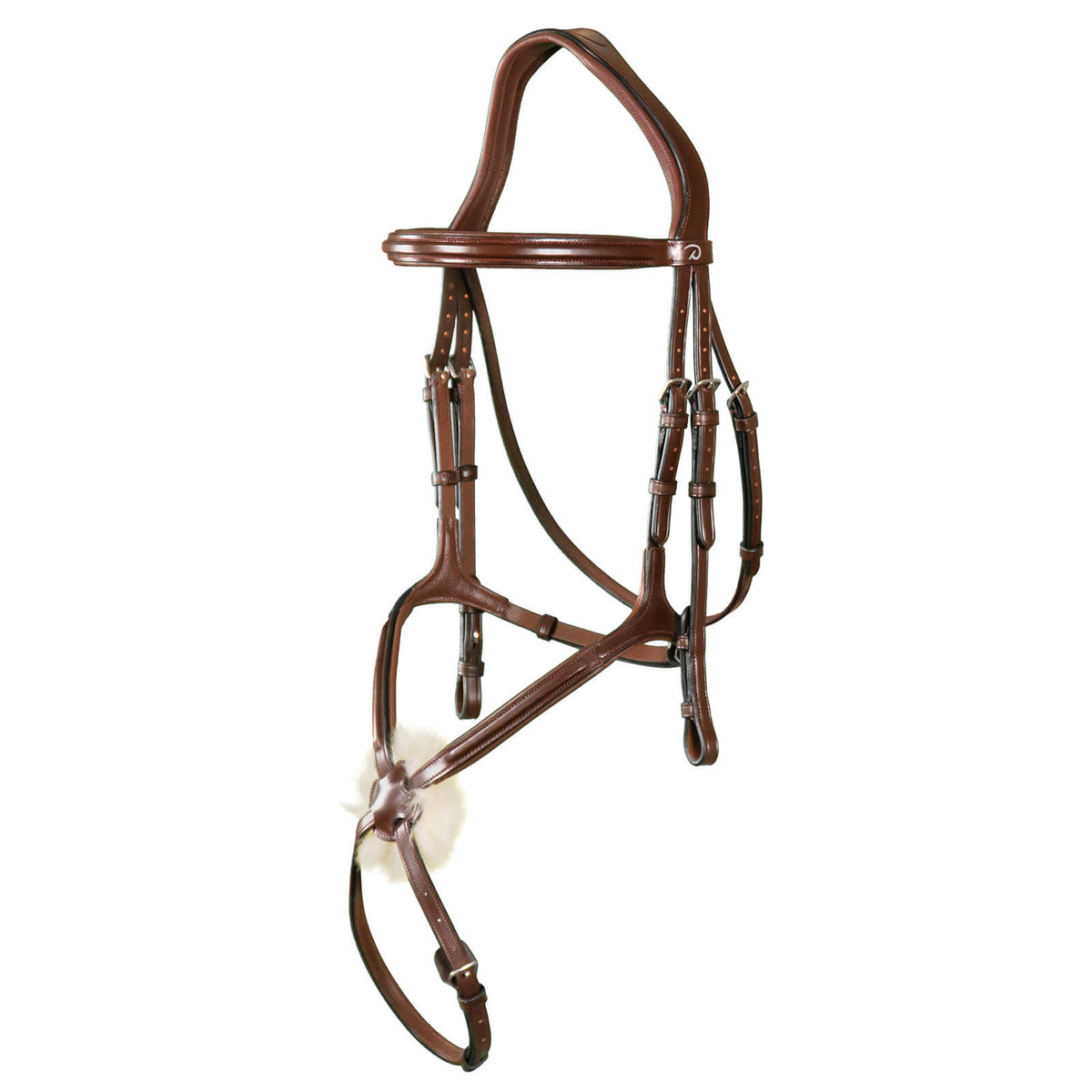
- Mexican nosebandThe special feature of this bridleis that the loop on the noseband is omitted and there are two straps in its place. These meet over the nasal bone and are held in their fixed position by a padded rosette. The straps run around the bit, allowing the horseperfect breathing. We offer Mexican bridles, for example, from our manufacturer Busse. These bridlesare made from high-quality leather and are padded with real lambskin. In addition, you can find Mexican bridles from Schockemöhle Sports, PS of Swedenand Dy´onin our assortment.
- Swedish nosebandThe construction of the Swedish noseband is similar to that of an English noseband. However, the difference lies in the fastening, as the noseband of this bridle is closed with redirecting buckles that act similarly to a pulley system.
More comfort for your horse with anatomical bridles
Some types of bridles can be very uncomfortable for horses, especially if they are not fitted correctly. Anatomical bridles, on the other hand, were developed directly on the horseand are designed to exert less pressure on the sensitive facial nerves. Even a little pressure in the wrong place is enough to make your horsefeel uncomfortable, and communication will be restricted and performance diminished. This makes anatomical bridles excellent for particularly sensitive or young horses.
Our manufacturer Horseware Irelandwas the pioneer in the development of anatomical bridles. For the first time in the history of bridles, an anatomical bridle was developed that reduces pressure on the sensitive areas of the horse's head. The brand Horseware Irelandeven received the BETA International Innovation Award for this. Meanwhile, other manufacturers also offer anatomical bridles, such as Dy´onor SD Design.
How do I fasten a bridle correctly?
For your horseto feel completely comfortable with the bridle, it must be fastened correctly. The bridlemust not be too loose, but also not too tight, so that it does not exert too much pressure on your horse'ssensitive head and its facial nerves. Beginners, in particular, sometimes find it difficult to put on the bridlecorrectly. Below, we have created a small step-by-step guide on how to correctly fasten the bridleon your horse.
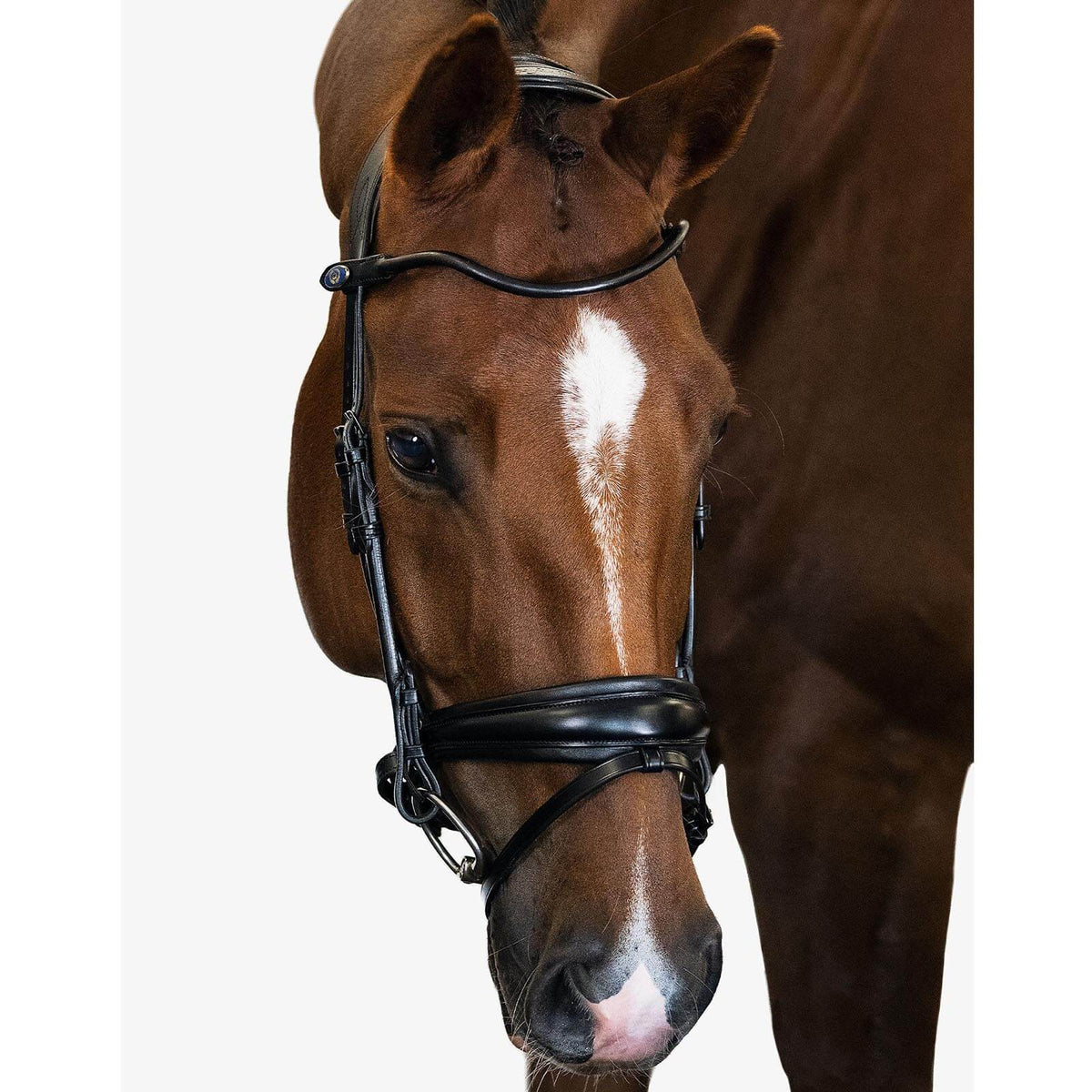
- Fitting the headpieceFirst, the headpiece is fitted. Now you can already see whether it is too tight or too loose over the ears. It is best to orient yourself by the bit: If it sits too loosely in the mouth, you should tighten the cheek pieces a little more. It fits correctly when a small wrinkle forms at the corner of the mouth.
- Adjusting the nosebandWhen fitting the noseband, you should make sure that it sits one to two fingers' width below your horse'scheekbone. Under no circumstances should the noseband press on the cheekbone. The noseband is tight enough when two fingers can also fit between the noseband and the bridge of your horse'snose. The upper and lower jaw should still allow for free chewing.
- Fastening the throat latchIf you have followed the previous rules, the throat latch should now be correctly positioned. There should still be room for a fist.
- Fitting the flash strapAlthough the flash strap is intended to prevent your horse from opening its mouth, it should not be fitted too tightly. Your horse should still be able to chew well.
Correct cleaning of bridles for a long lifespan
To enjoy your bridlefor as long as possible, you should clean it regularly. Most bridlesare made of real leather, so you will need a leather care product for cleaning. To keep the leather soft and supple, you should occasionally completely disassemble the bridle, apply the leather care product, and let it soak in for a day.