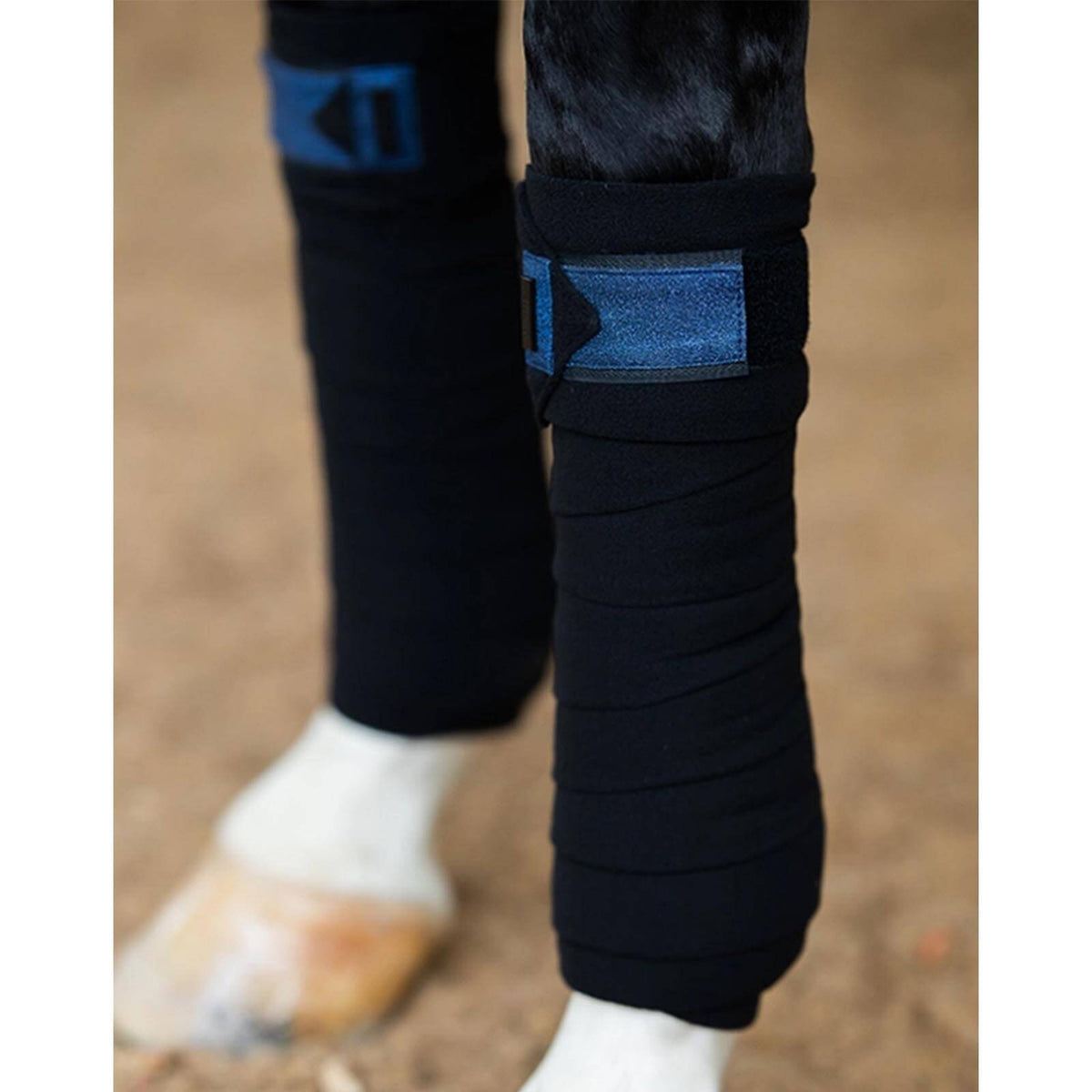
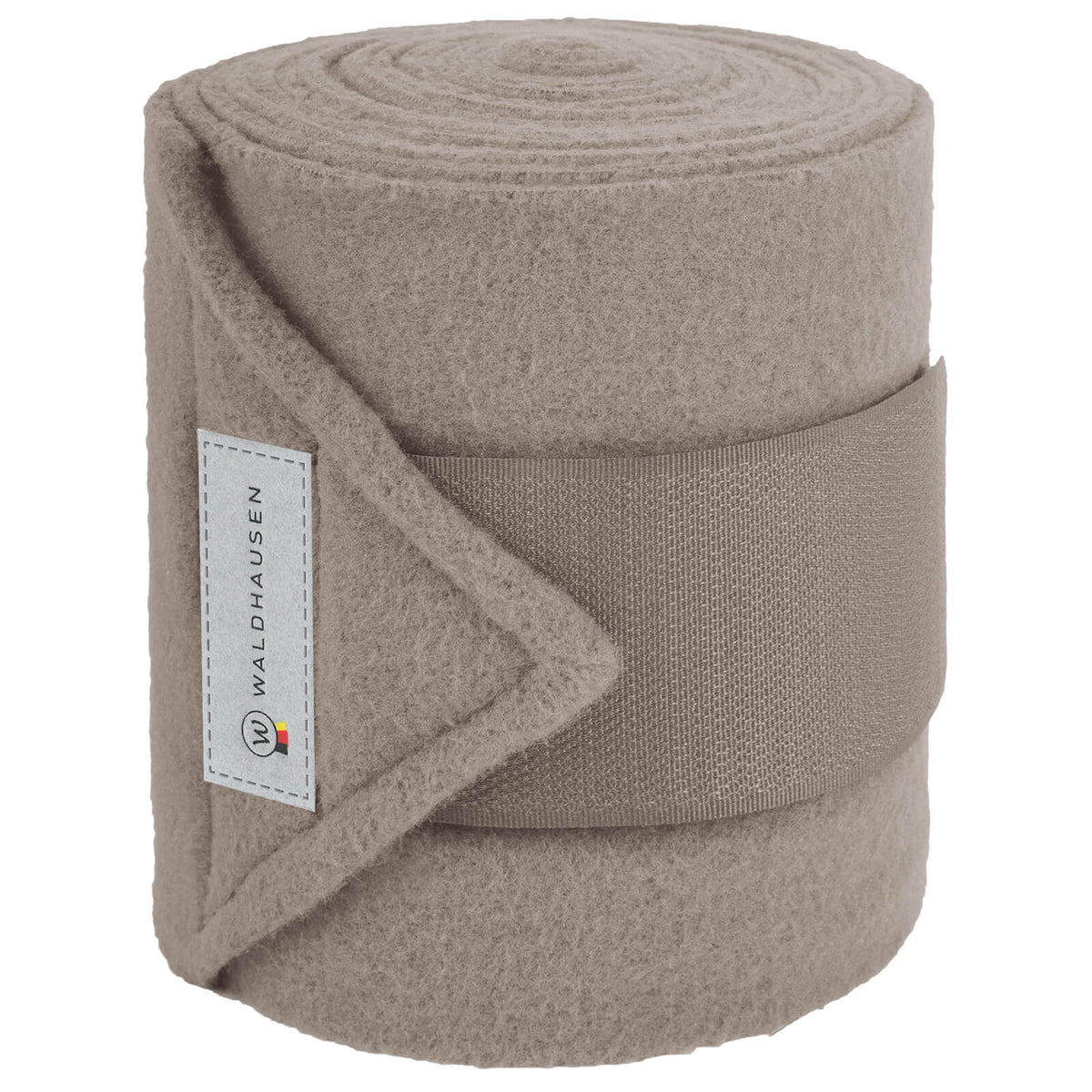
Bandages and bandage pads as leg protection for horses
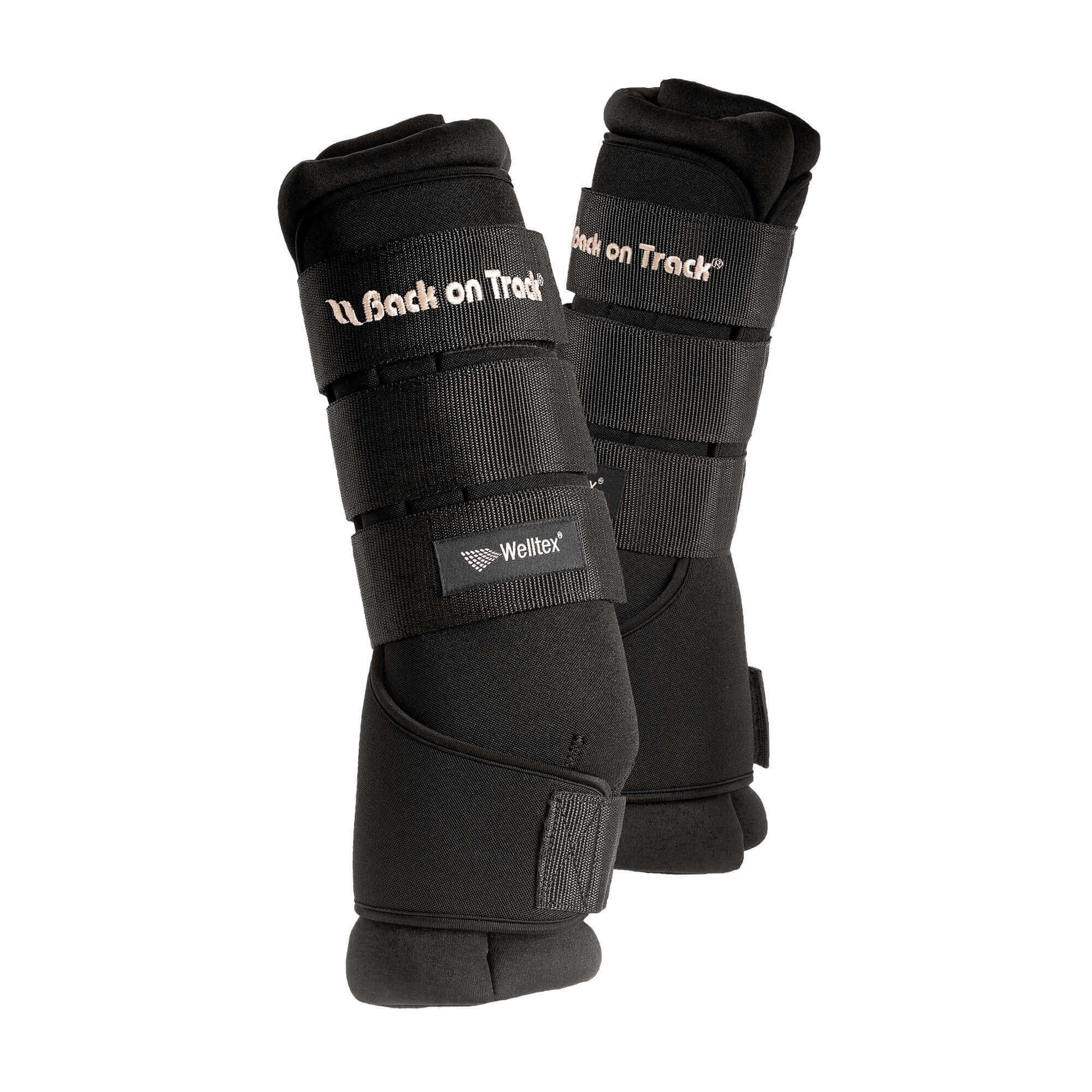
Leg protectionis very important for horses, as horses' legs are highly susceptible to injury due to their slender anatomy. Tendons and ligaments are not located under a protective layer of fat, but directly under the skin. Bandages and bandage padsprotect the legs in various situations – during training, but also in the stable and during transport. Below you will find all important information on bandaging your horseas well as a compact overview of our product range.Why do horses need bandages?
There are various reasons to bandage a
horse. The additional layer of fabric protects your horse'slegs during training from both blunt blows and injuries caused by legs brushing against each other. They also offer a certain amount of protection against injuries caused by restlessness, stress, and nervousness in the stable or during transport.In addition,
bandageshave the important function of keeping the horse'stendons and ligaments warm. This is particularly important for older horses. Bandagesare available in many different colors and designs. This also gives them a decorative effect and completes your horse'slook.The right technique: How to bandage your horse
Applying
bandagesis not without its challenges. Incorrectly applied bandagescan have a negative effect and even harm your horse. If the bandageis too loose, small stones can collect underneath and chafe the skin. They can also come loose and become a life-threatening tripping hazard. If the bandageis too tight, problems with blood circulation and lymph flow can occur. You should also consider that fabric bandages can soak up moisture in the rain and thus do more harm than good for your horse.
Selection and preparation of bandages
Before you can apply bandages, you should choose the right material. The choices are:
- Fleece bandages
- Wool bandages
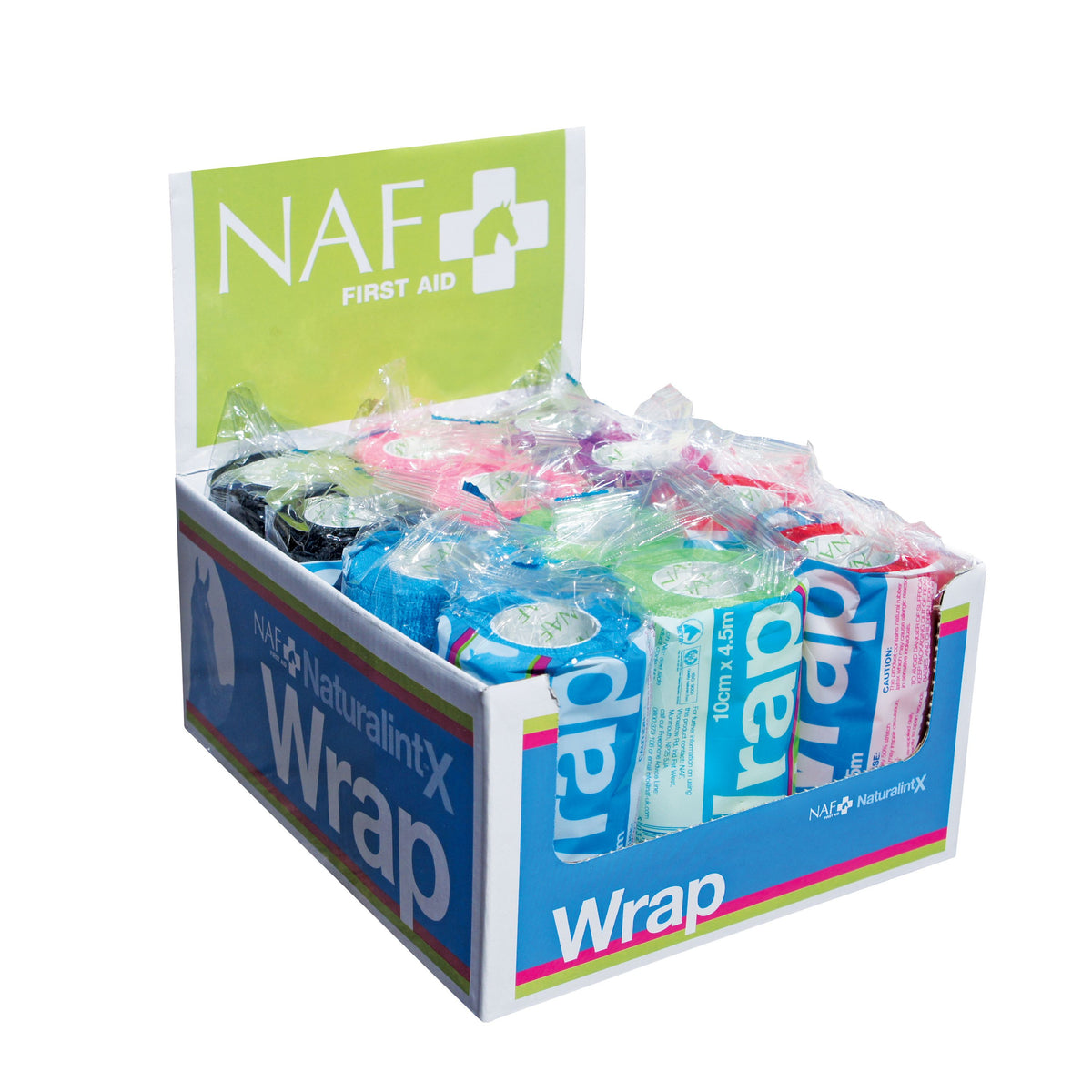
- Flex bandages
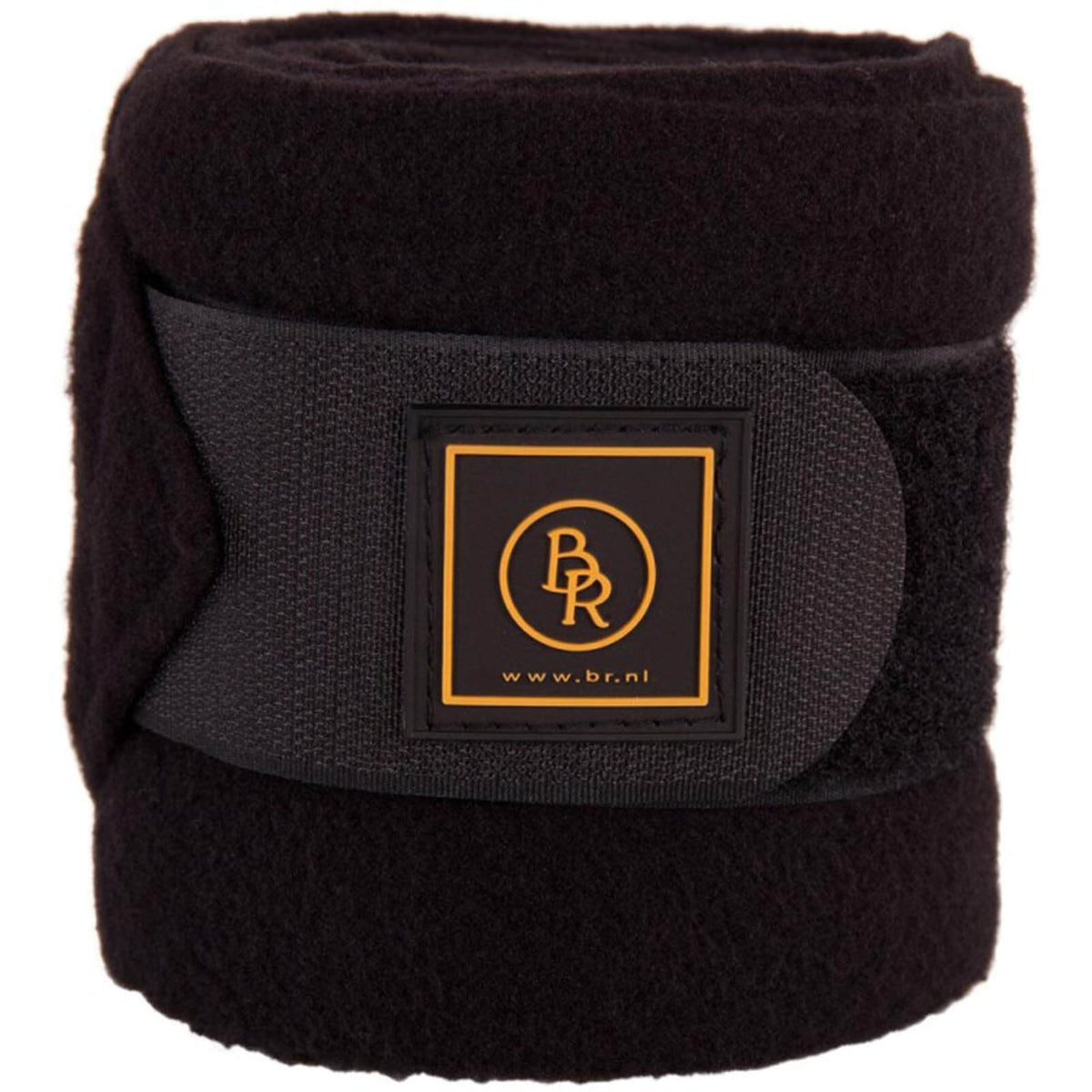
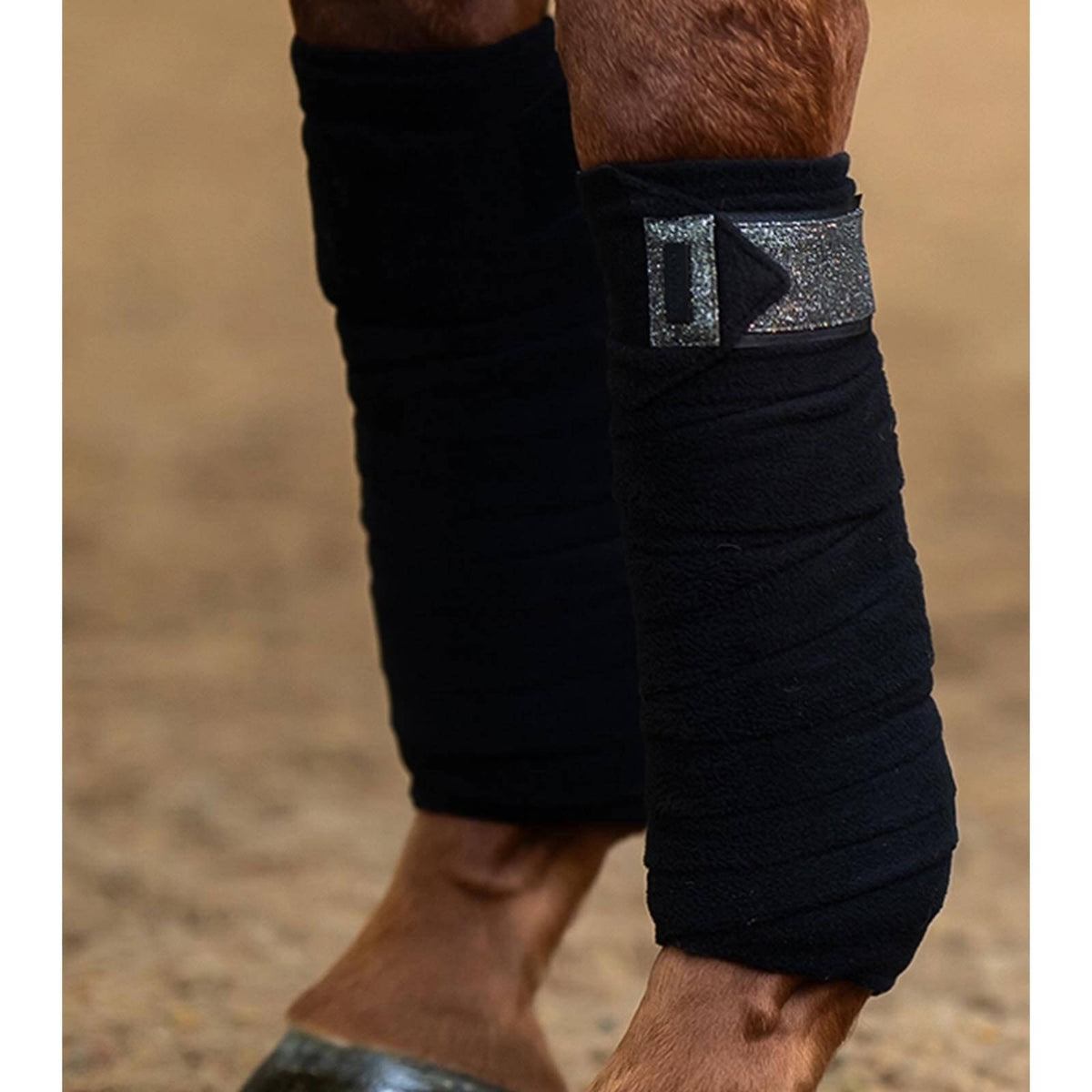
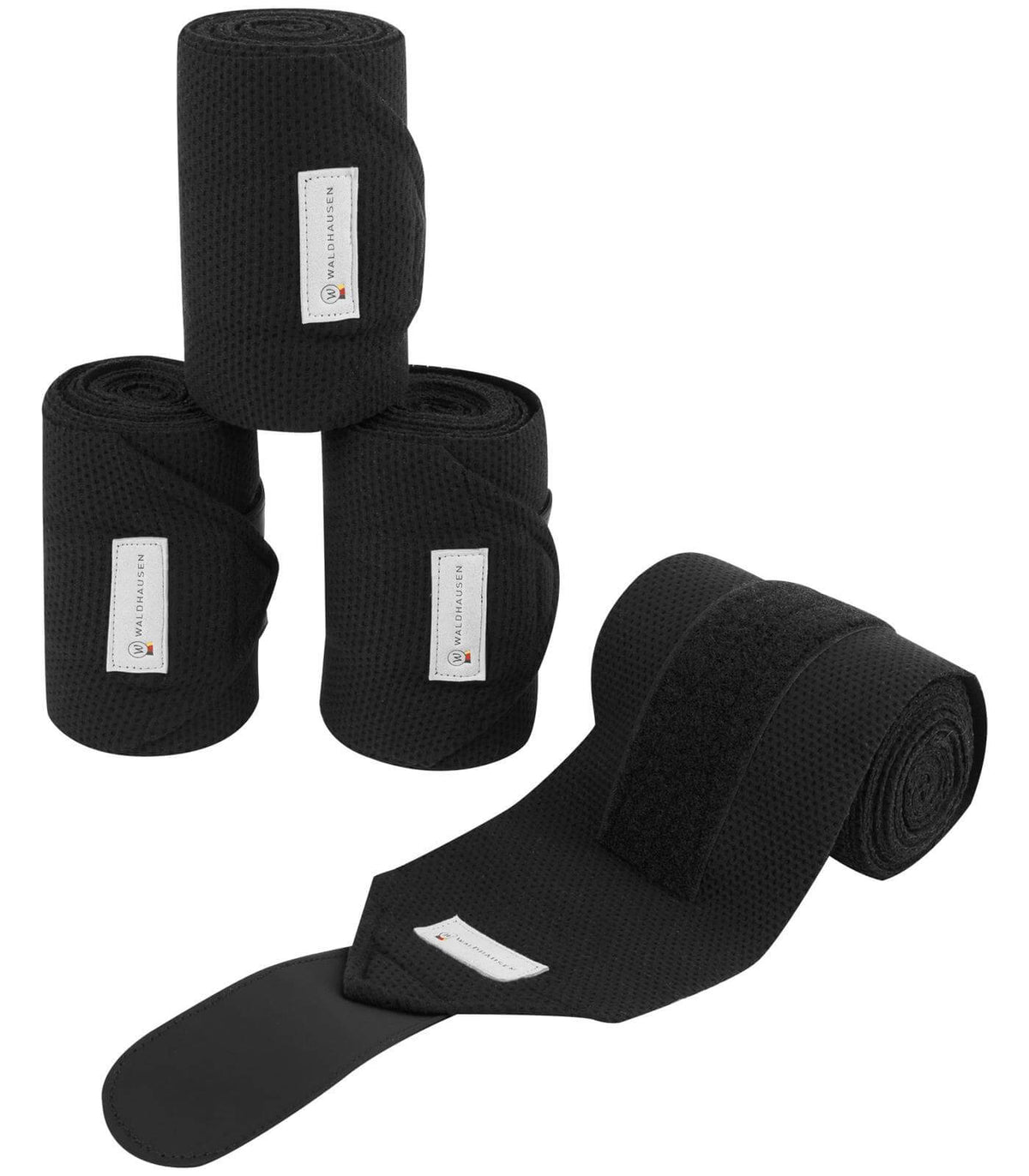
Fleece bandages are primarily used because they are stretchy and very soft at the same time. They are easy to apply using a Velcro fastener. For preparation, you should adjust the bandageto the correct length. For ponies, a length of 2 to 2.5 m is sufficient; for large horses, the bandageshould be up to 3.50 m long.
Step-by-step guide to bandaging your horse
For applying the bandage, the horse's leg should be dry and clean. Dirt under the bandagecan chafe the horse's skin and cause pain.
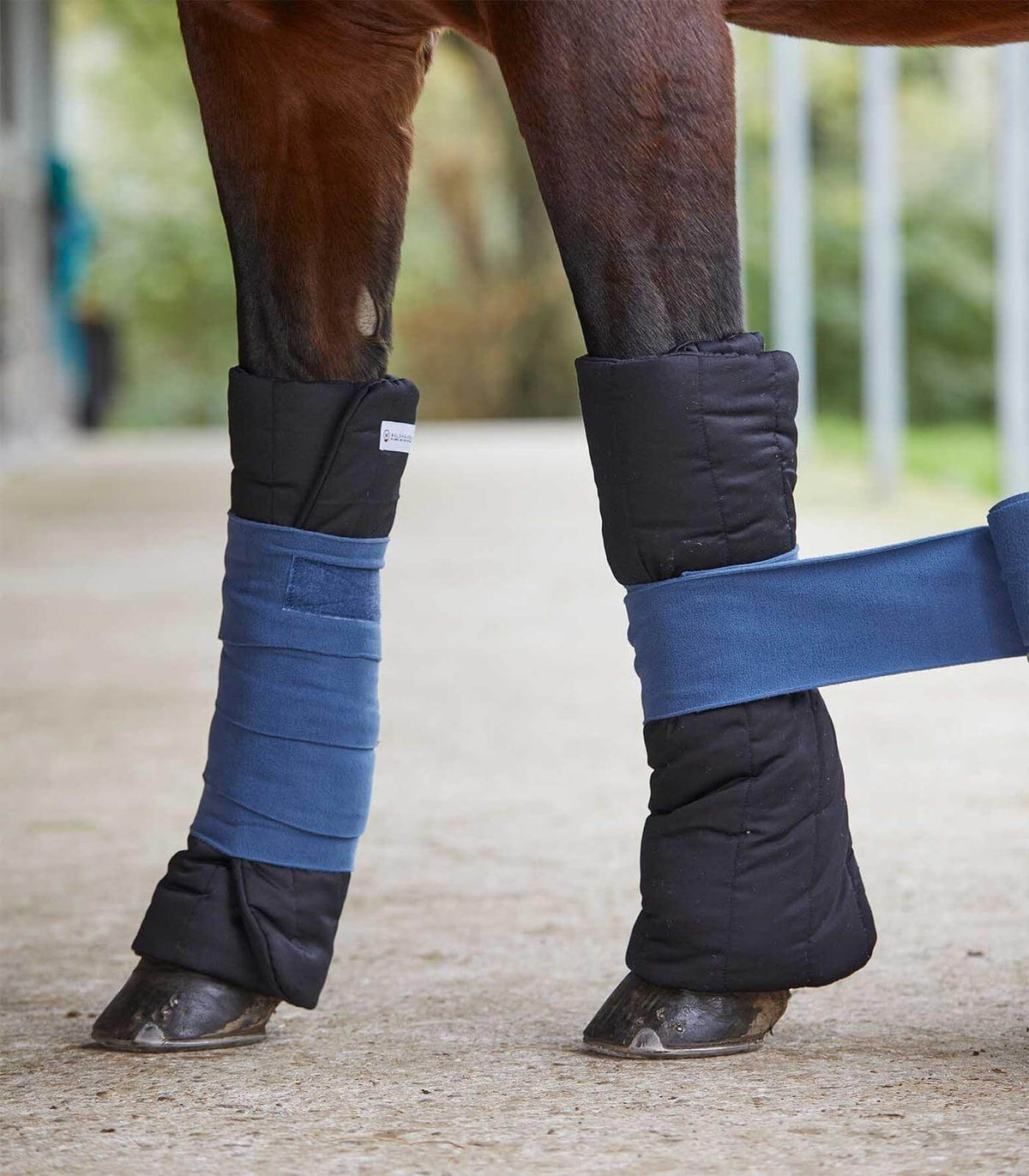
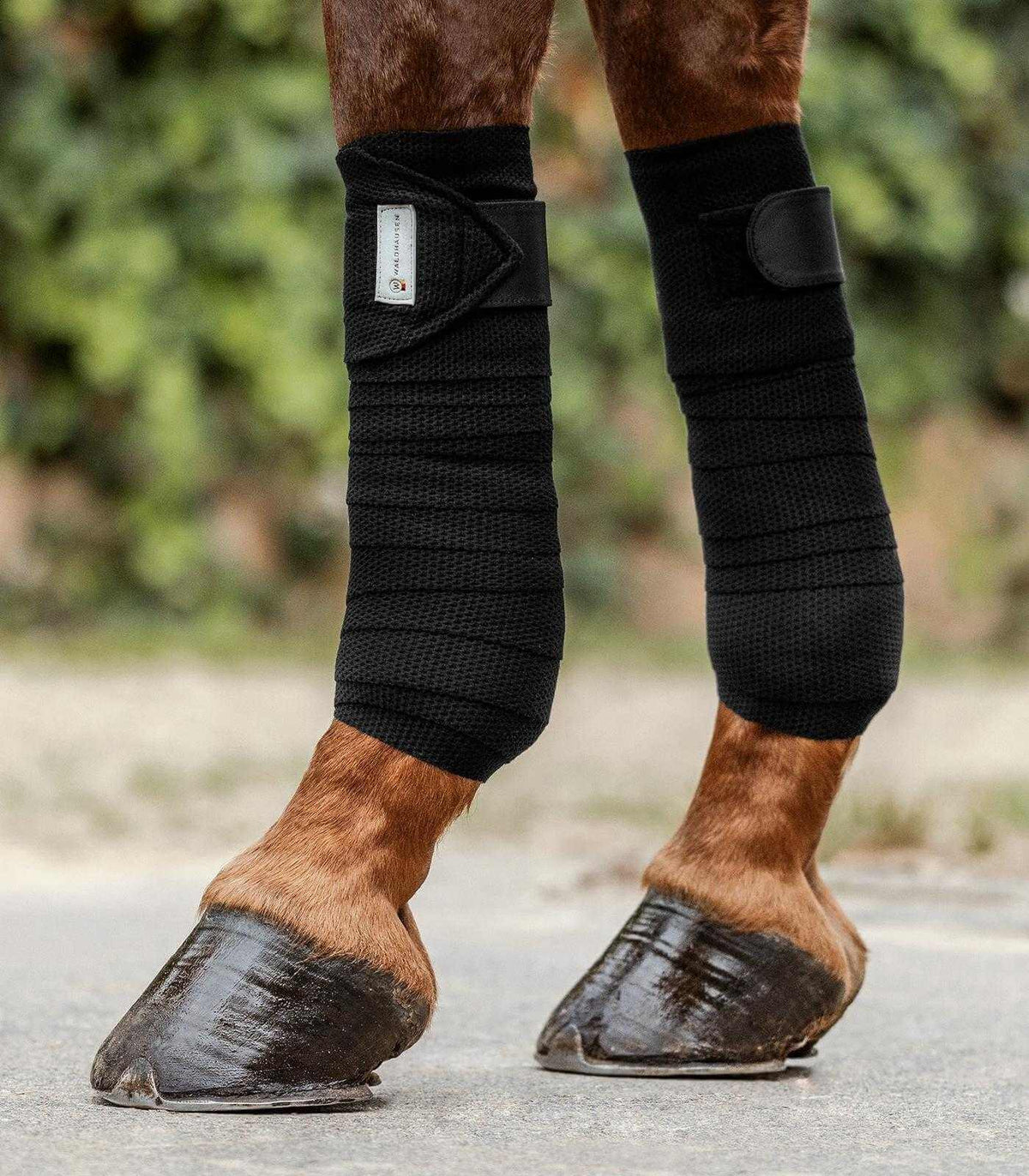
- Bandaging the front legTo bandage the front leg, start below the carpal joint. The bandageis wrapped firmly, but not too tightly, slightly diagonally downwards. After wrapping around the fetlock, you guide the bandageupwards again and close the Velcro fastener on the outside, so that it points backwards. The spacing of the layers should always be between 3 and 5 centimeters.
- Bandaging the hind legFor bandaging the hind leg, you proceed analogously, only the spacing of the layers is slightly larger.
In general, it is important not to wrap too loosely or too tightly and to avoid creases. This requires some practice. But after a short time, bandaging will become easy for you.
When do I need to use bandage pads?
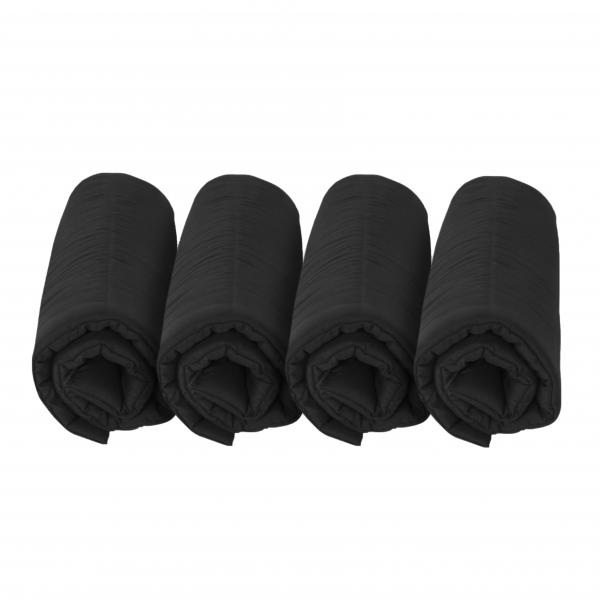
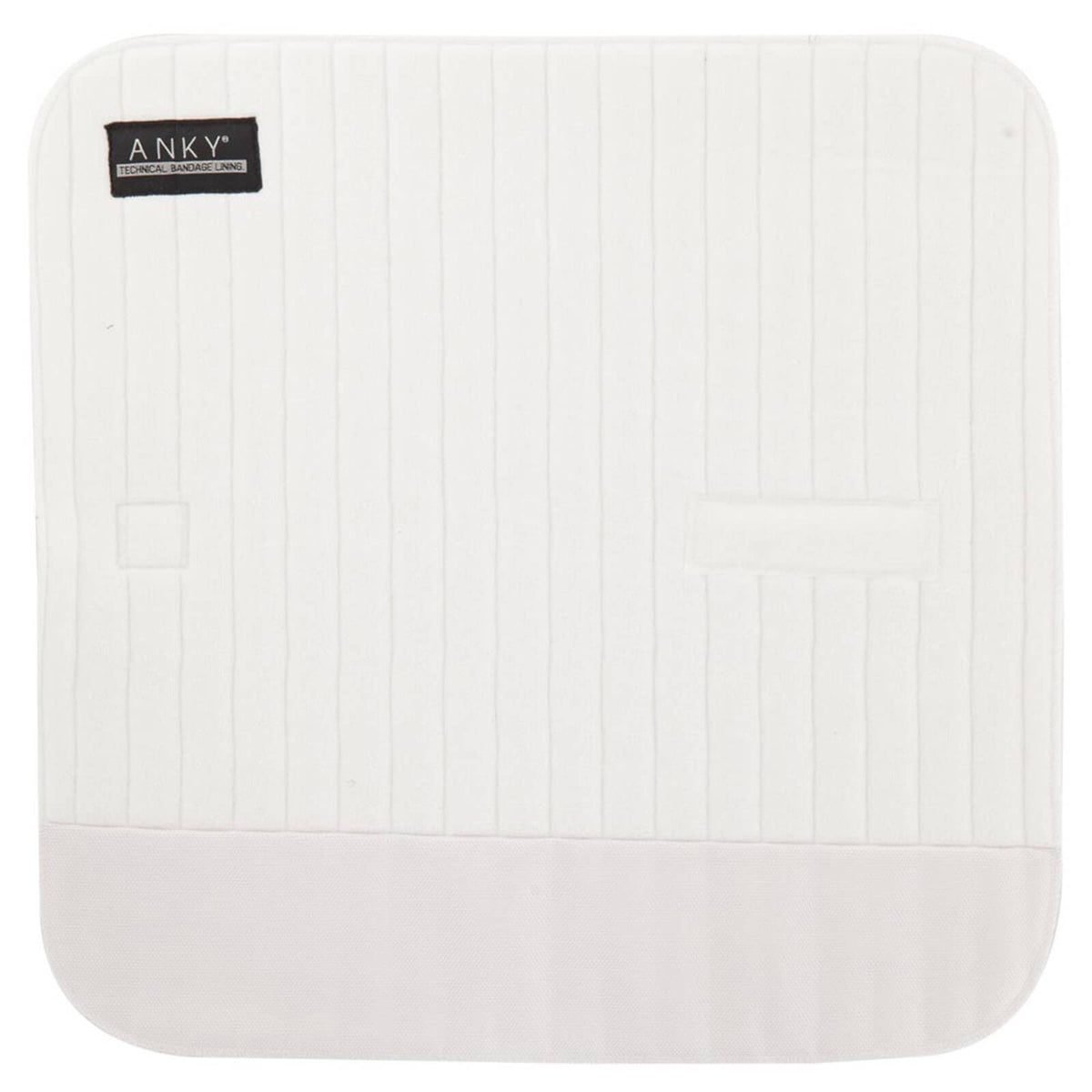
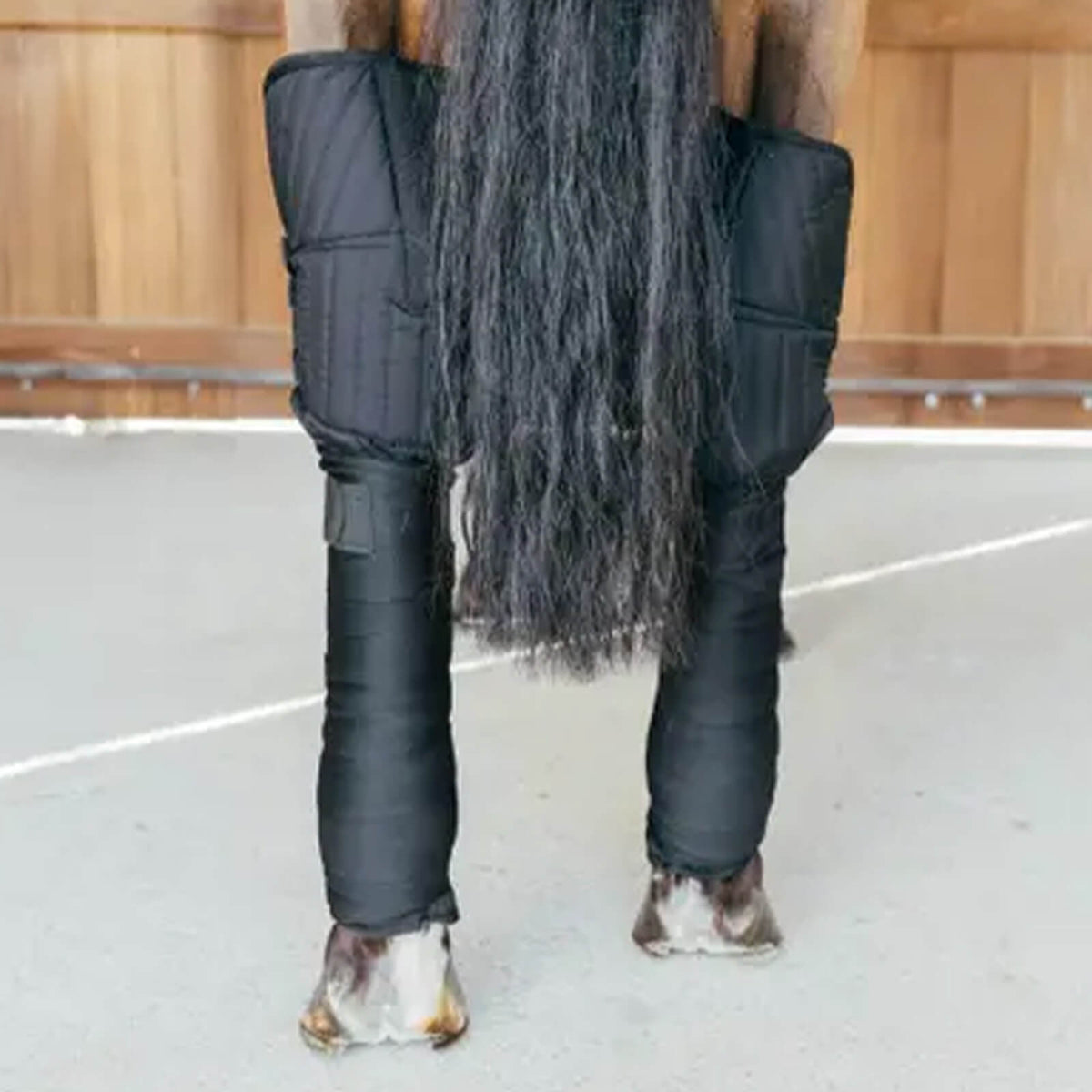
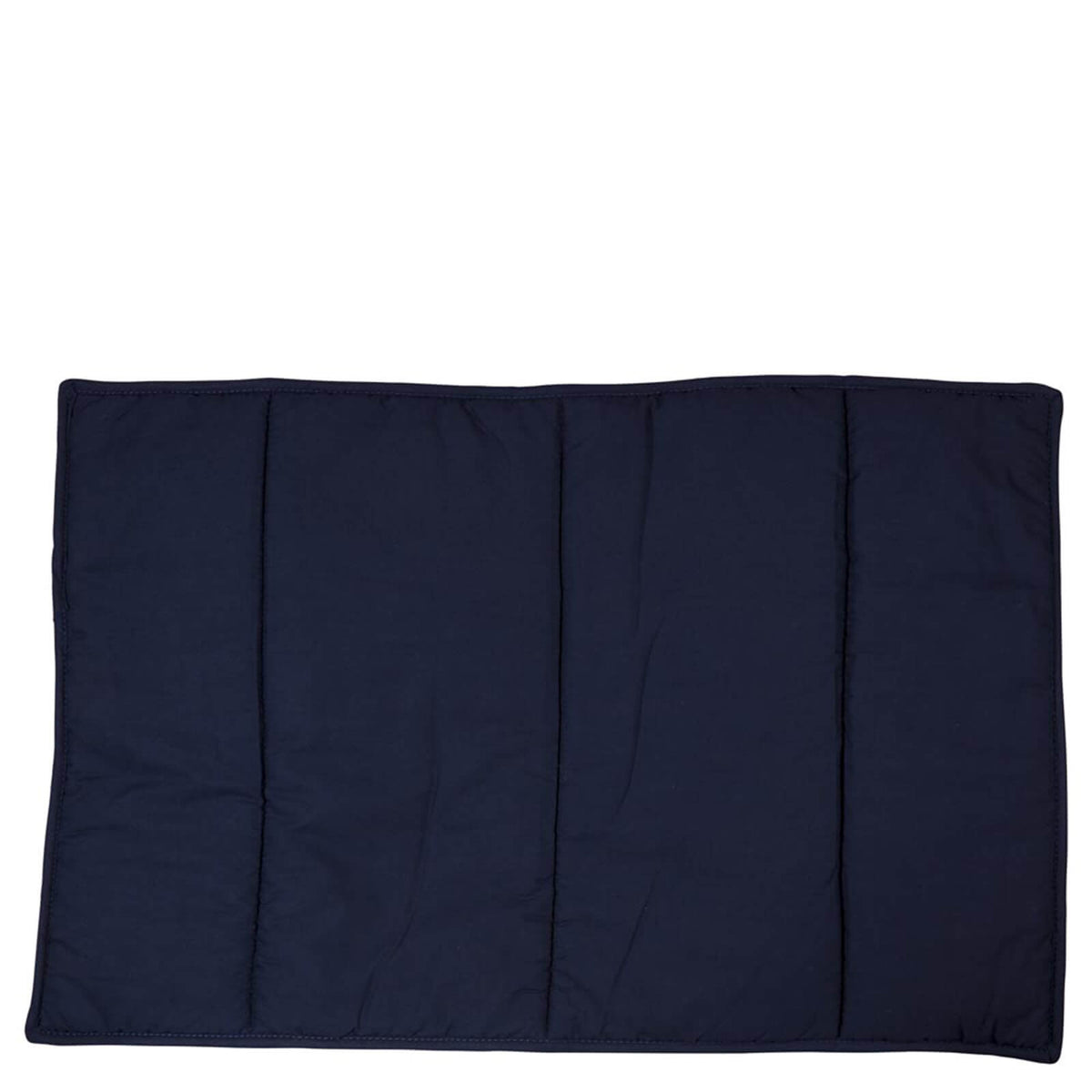
By applying bandage pads, you can prevent flexible bandagesfrom sitting too tightly on the horse's leg or slipping. You also need these pads if your horseis particularly sensitive or injured. The bandage padmust lie snugly and smoothly against the leg to avoid pressure points.
Buy bandages and bandage pads online in our shop
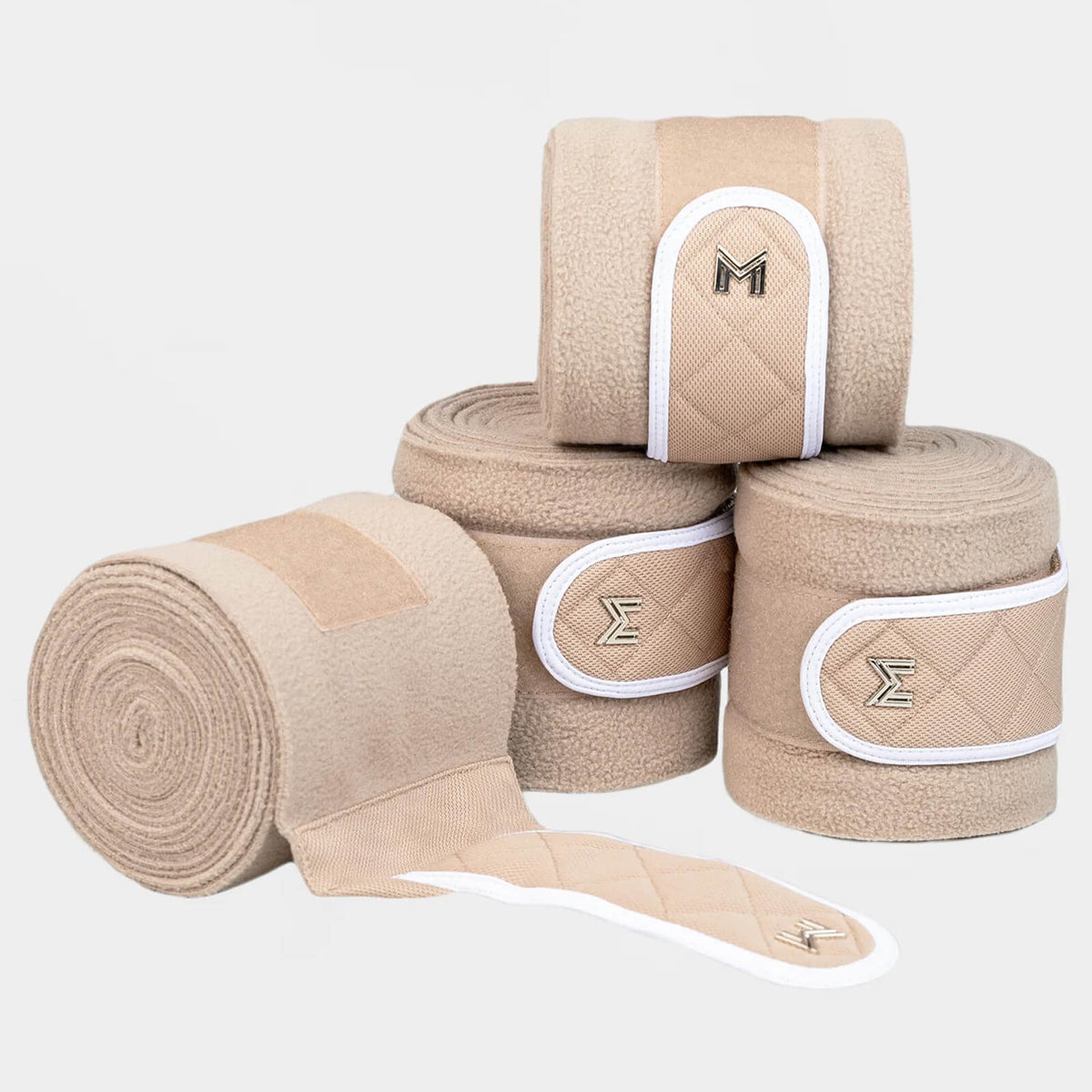
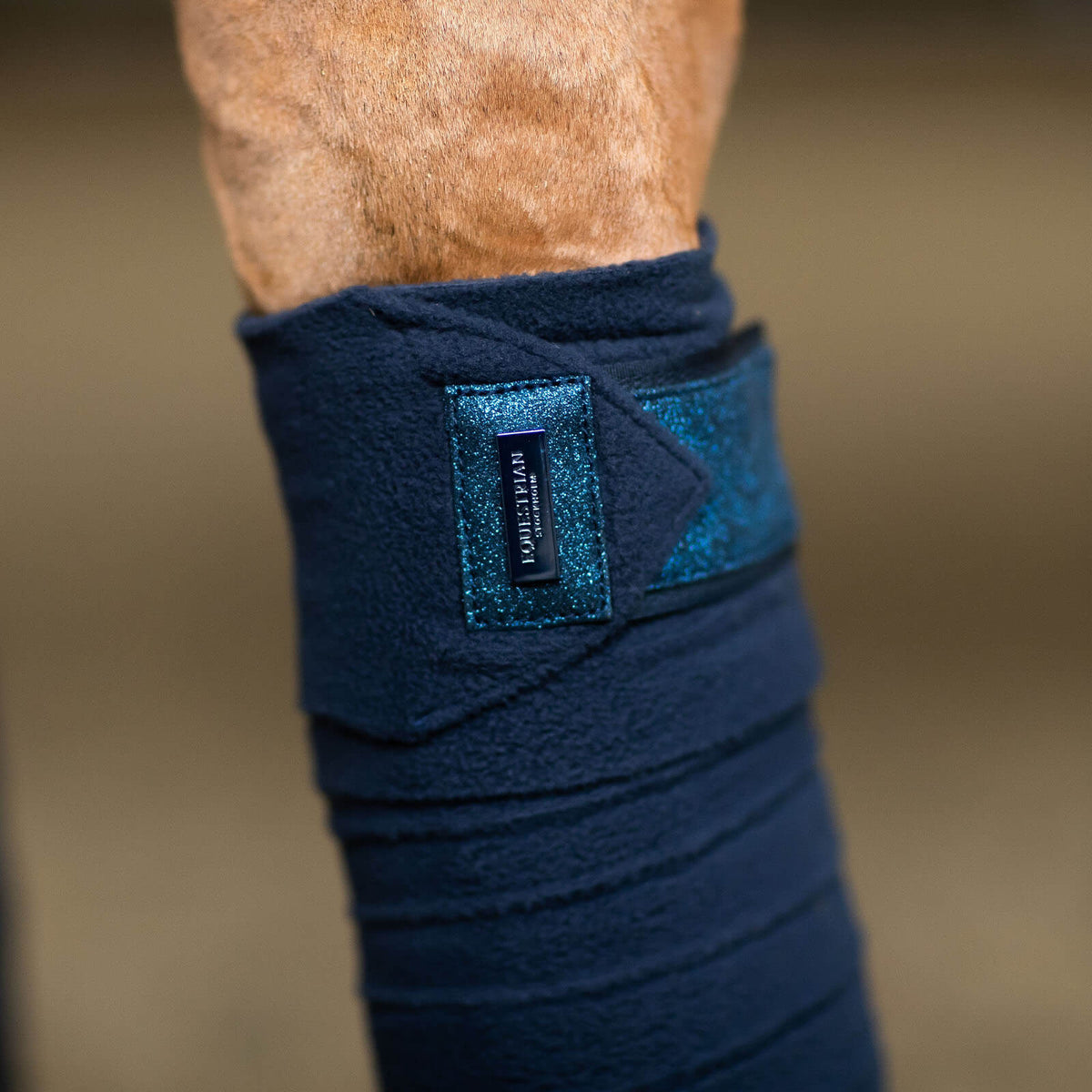
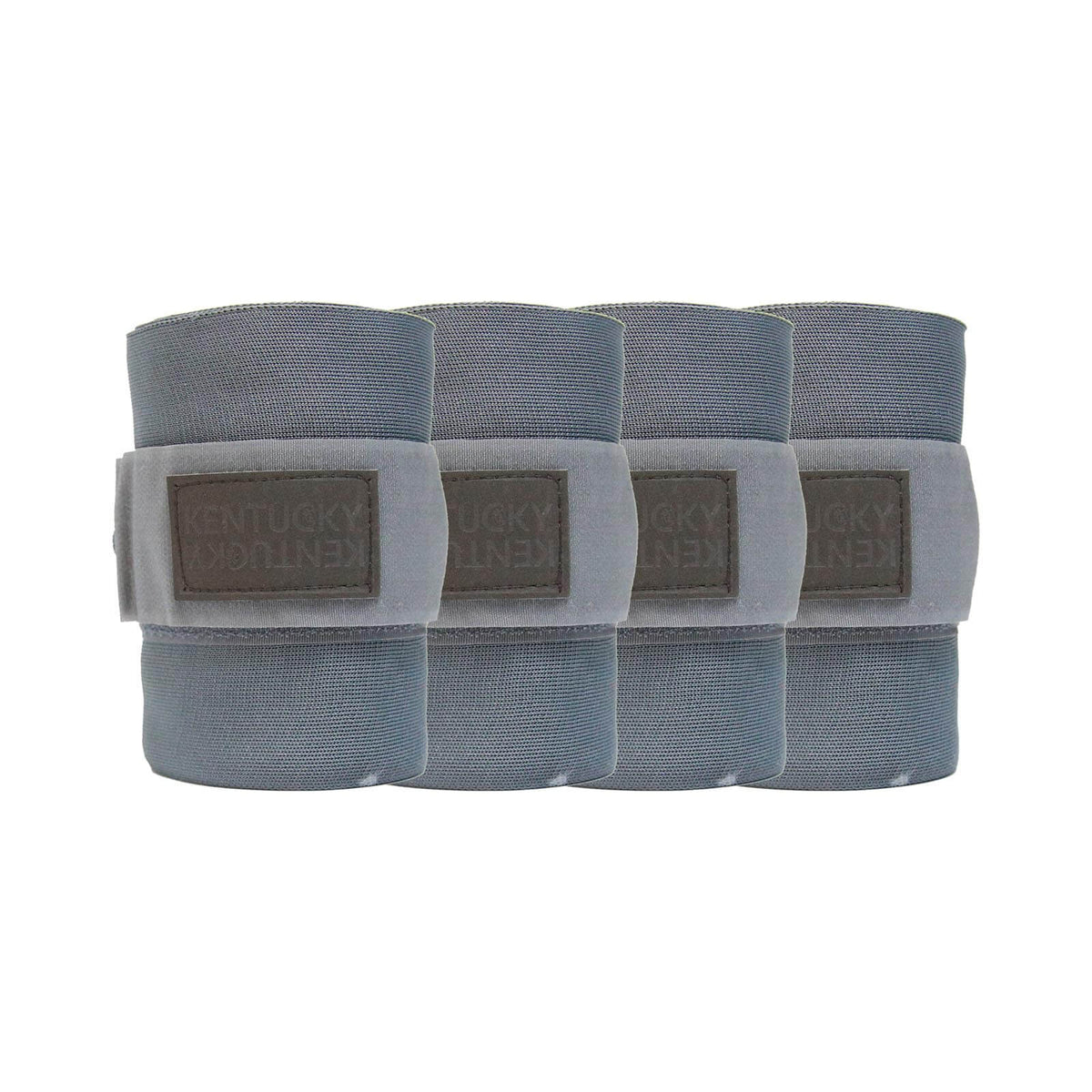
In our webshop, we offer you a selection of bandages and bandage padsfrom various manufacturers. The fleece bandages from Equestrian Stockholmare among our bestsellers. The bandagesare available in a set of 4 in various fashionable colors. Matching saddle padsand fly bonnets from the same collection are also available.
The fleece bandages from Eskadronare also among our bestsellers. The bandagesare breathable and adapt perfectly to the horse's legs due to their elastic material.
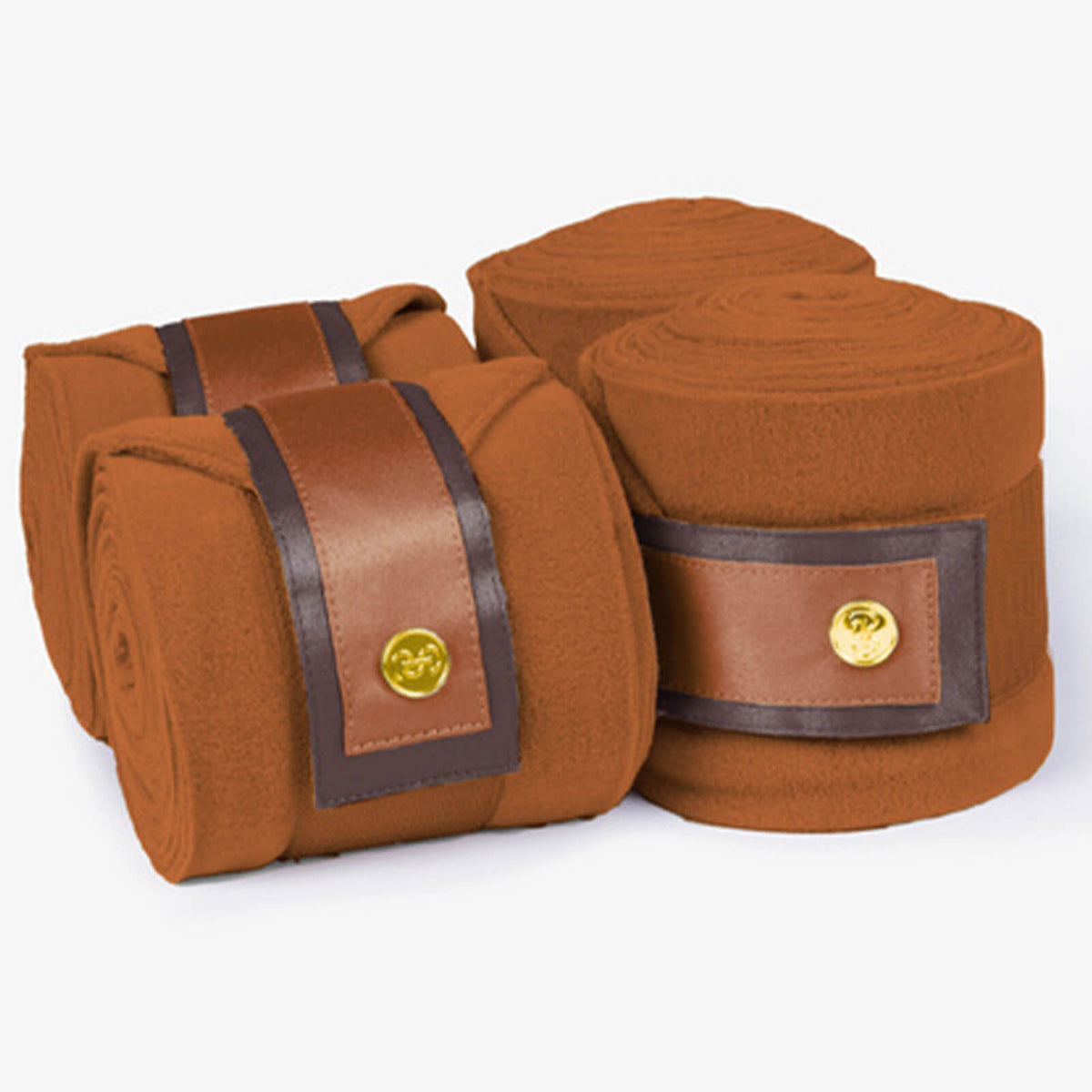
Our brand PS of Swedenmanufactures bandagesthat primarily impress with their decorative effect. They are available in various designs and appear in a new collection every year.
Discover our bandage assortmentfrom Kingslandas well. The bandagesmade of micro-fleece are suitable for travel, dressage work, or as stable bandages for your horse.
Bandage padsare available in our horseonline shop, for example from Eskadron, Kentucky Horsewear, and Busse.