Where exactly do the little horses come from?
The Falabellas have only been a distinct breed since 1970. However, they were already discovered in 1840 by Patrick Newell and Juan Falabella in Buenos Aires, Argentina. Buenos Aires is actually the origin of these small horses. But how did they get there?
The exact origin of the Falabellas is not really clear. According to a legend, Spanish immigrants brought Berbers and Andalusians to Argentina in the 15th century, but had to leave them behind. The animals then went wild and had to fend for themselves. Through natural selection, the animals changed over the years and adapted to the conditions. The smallest survived, which is why only small horses remain. The Falabellas have only been a distinct breed since 1970. However, they were already discovered in 1840 by Patrick Newell and Juan Falabella in Buenos Aires, Argentina. Buenos Aires is actually the origin of these small horses. But how did they get there?
When Patrick Newell discovered the horses, he wanted to maintain their size and therefore began crossing them with Shetland ponies. However, traces of English Thoroughbred can also be found in the genes of the Falabellas. It is therefore assumed that Newell decided on this pairing so that the small horses would have a certain elegance. Juan Falabella later took over the breeding from his father-in-law, which is how the breed got its name.
What makes a Falabella so special?
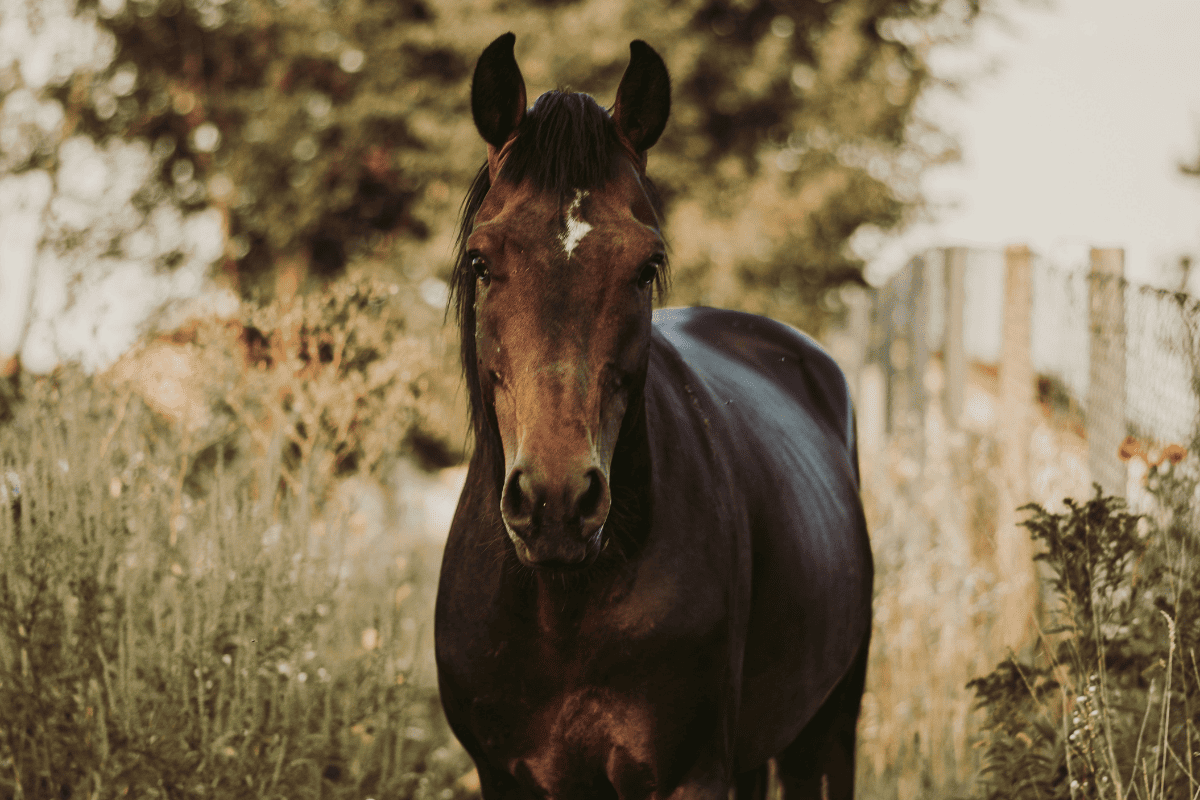
Surely everyone finds these little animals absolutely adorable. With their size of 75-90 cm, the small horses resemble a dog that you want to have around you all day. The character of the Falabellas is usually friendly and lovable, which makes them such a popular breed. A purebred Falabella can be recognized by its slender legs, a compact and elegant body, as well as plenty of long hair. Regarding coat colour, there are no restrictions. You could say there is no colour that does not exist in a Falabella. A particularly great feature of these small horses is their very intelligent nature. Falabellas learn very quickly, which makes them a true talent.
Where are Falabellas used?
Due to their small size, Falabellas are not suitable for riding. However, they still want to be kept just as busy as their larger counterparts. That’s why they are often found as carriage horses for light carts or as stars in shows. They learn very quickly and you can tell in their work that they want to learn new things and seek activity.
For several years now, Falabellas have also been trained as ‘guide horses’ for the blind. They are suitable for allergy sufferers as well as for people who are afraid of dogs. The high life expectancy of 30 years and the wide field of vision of a horse are two reasons why the Falabella is well suited as a guide horse, says the Guide Horse Foundation. This organization trains guide horses for the blind.
The friendly and people-oriented character of the Falabellas also makes them suitable for use as therapy horses. They are also used in nursing homes.
As you can see, the Falabella has many areas of use where character is especially important. But you should also know that a Falabella can have its own stubborn streak. It is also important to know that the needs of Falabellas are the same as those of a large horse, and species-appropriate care is particularly important. Even if we would love to take the little #KNUDDELMONSTER into the house with us :)
We hope you got to know the Falabella breed better and now have an overview of the most important characteristics. Do you want to have a Falabella on your team now? Because we definitely do ;)